
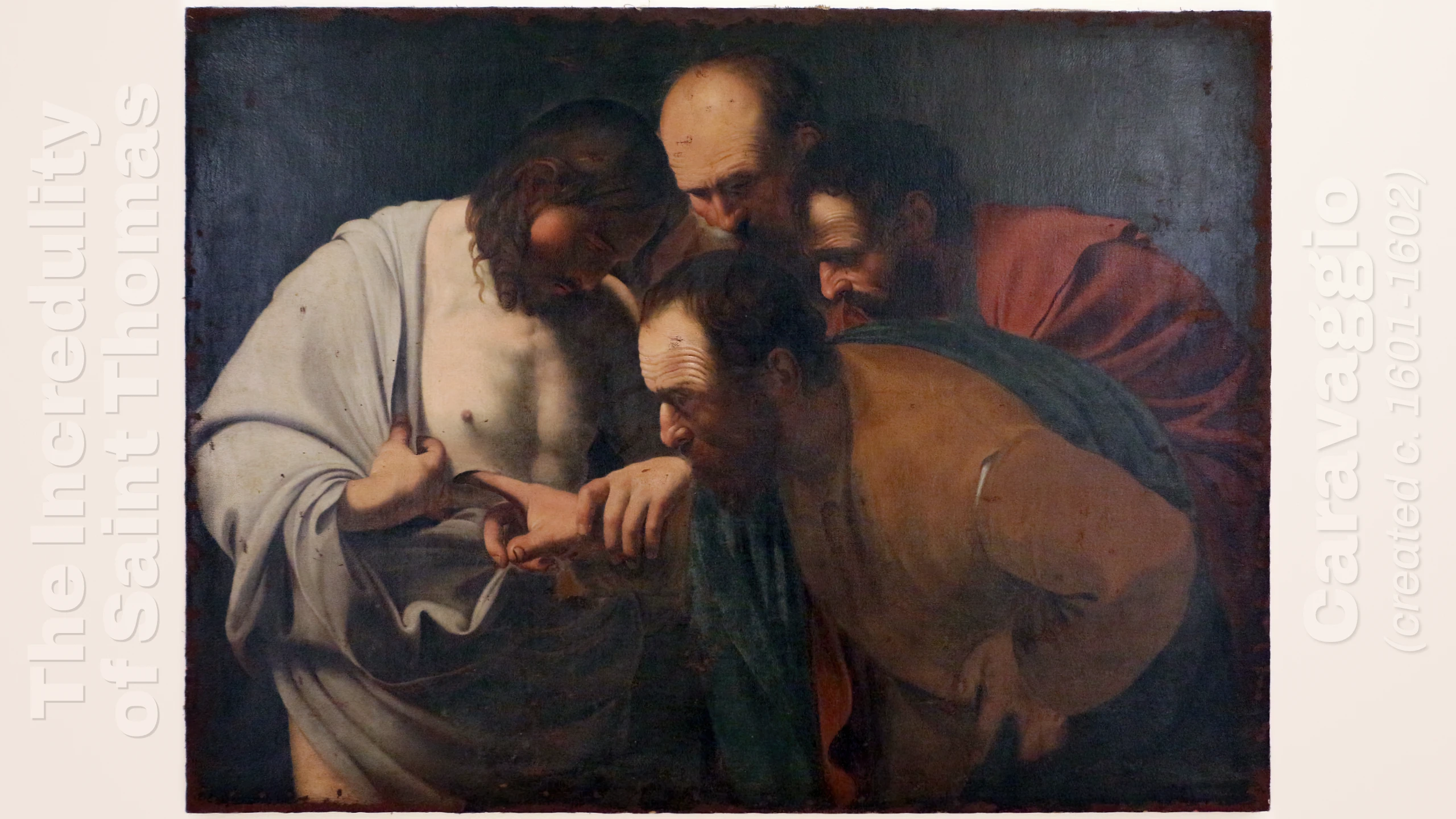
Doubting Thomas?
Read Time: 8 mins

May the words of my mouth and the meditation of my heart be always acceptable in your sight, O God, my strength and my redeemer. Amen.
Poor old St Thomas, known forever as Doubting Thomas. In fact it could be argued that Thomas is the most fervent believer of all the apostles. In John Chapter 11, when Jesus says to the disciples, ‘Let us go to Judea again. They say, ‘Rabbi, the Jews were just now trying to stone you, and are you going there again?’ Jesus says ‘Lazarus is dead. Let us go to him.’ And it is Thomas who says, ‘Let us also go, that we may die with him.’ And it is he, who in the climax to John’s gospel, makes the greatest confession of faith of all: Jesus said to Thomas, ‘Put your finger here and see my hands. Do not doubt but believe.’ Thomas answered him, ‘My Lord and my God!’
Now acknowledging that Jesus was their Lord and that Jesus was associated with the Divinity is a major theme of the Gospels, but here Thomas goes beyond this, for he now, in a flash, perceives that Jesus was his Lord in a deeper sense than he had understood before; Jesus may from now be called, My God. This indeed was involved in the claims that Jesus made for himself, but hadn’t expressed them so explicitly. Thomas’ confession of faith goes far beyond Nathanael’s confession at the beginning of Jesus’ ministry, when Nathanael said, ‘Rabbi, you are the Son of God! You are the King of Israel!’ Thomas’ confession expresses the deepest of Christian truths, which John placed at the forefront of his Gospel, governing and explaining all that he is about to tell: ‘In the beginning was the Word, and the Word was with God, and the Word was God.’ John doesn’t represent any disciple as having recognised this truth before the eager and enthusiastic Thomas perceived it at this moment of spiritual exaltation.
Thomas the doubter? In fact, it has even been argued that Thomas was right to initially doubt the other disciples when they said they had seen the risen Lord. The argument goes that it is never taught in the Gospel that an easy belief, a credulity is a Christian virtue; and Thomas was therefore not wrong in wishing for some better proof of his Master’s resurrection than hearsay could provide. Indeed, had not Jesus himself warned his disciples not to believe every tale they had heard about him: “The time is coming [Jesus had said] when you will long to see one of the days of the Son of Man, but you will not see it. People will tell you, ‘There he is!’ or ‘Here he is!’ Do not go running off after them.’
To illustrate the story of St Thomas, I’m going to read from Dorothy L Sayer’s Man Born to be King, as I think she puts this rather well.
The disciples are in the upper room talking, late on Easter day; Nathanael says: You know there’s an order gone out that anybody who repeats this resurrection-story will be put in prison, and-
(There’s a knock at the door)
What’s that?
Andrew: They’ve come for us.
(The knocking is repeated)
James: I’ll see who it is.
Philip: Take care, James!
James (at the door): Who’s there?
Clopas (outside): It’s Clopas and Mary.
James: We thought you were the police.
Clopas: James—John—everybody! We’ve seen the Master!
Disciples: What? … You have? … How? … When?
Andrew: Let them in, and bar the door. (Door barred) Now—tell us!
And then Mary and Clopas tell the story of encountering Jesus on the road to Emmaus:
Clopas: Then he took the bread, and blessed, and broke it. And as he held it out to us, we saw his hands—and the marks of the nails were in them.
Mary: And we looked in his face, and knew him. … It was as if we’d been blind all the time.
Clopas: Just in a flash, it came to us. … And then he was gone. There was nothing there, but the bread lying broken upon the table.
Nathanael: It was an apparition-
Andrew: A vision-
Matthew: It’s frightening, that’s what it is. Uncanny. That’s not the Master we knew. Appearing like that, and vanishing and you not recognising him-
Philip: It’s a phantom—how do we know it isn’t an evil spirit? … I don’t like it. … Supposing it was to come in on us now—
Jesus arrives in the midst of them: Peace be unto you!
Jesus: Children, what are you afraid of? Why do you doubt? …
John: Dear Lord, is it really you?
Jesus: Feel me and see. Take my hand.
John (shrinking a little—not because he is afraid, but remembering the Emmaus story): Your hand?
Jesus: A ghost doesn’t have flesh and bones as I have—does it?
John: Your hands are warm—and strong—and they are wounded. … How dared they use you so? … I stood and saw it. Each blow went through my heart.
Jesus: My heart was pierced also. Look!—Don’t let that terrify you, children. You see—you can feel—that I am alive.
The evangelist: Now Thomas called Didymus was not with the disciples when Jesus came. And after eight days, they were together once more, and Thomas with them.
Thomas: You can all say what you like. Seeing’s believing. I tell you again—unless I see in his hands the print of the nails—no, seeing’s not enough! Until I have felt with my finger the print of the nails—until I grasp and hold him and thrust my hand into his side, I’ll believe nothing.
Matthew: Really, Thomas! Anybody’d think you didn’t want it to be true.
Thomas: Wishful thinking won’t do. I want proof. And when I say proof—
John: Hush, Thomas. He’s here.
Jesus: Peace be unto you.
The disciples: And to you.
Jesus: Come here, Thomas. Put out your finger and feel my hands. Reach out your hand and thrust it into my side. And doubt no longer, but believe.
Thomas (with absolute conviction): You are my Lord and my God…
Jesus: Thomas, because you have seen me, you have believed. Blessed are they that have not seen, and yet have believed.
Peter (who has suddenly become aware of some appalling implications): Master—when I disowned you—when we disbelieved and doubted you—when we failed and deserted and betrayed you—is that what we do to God ?
Jesus: Yes, Peter.
James: Lord, when they mocked and insulted and spat upon you—when they flogged you—when they howled for your blood—when they nailed you to the cross and killed you—is that what we do to God?
Jesus: Yes, James
John: Beloved, when you patiently suffered all things, and went down to death with all our sins heaped upon you—is that what God does for us?
Jesus: Yes, John. For you, and with you, and in you, when you are freely mine. For you are not slaves, but sons and daughters. Free to be false or faithful, free to reject or confess me, free to crucify God or be crucified with Him, sharing the shame and sorrow, and the bitter cross and the glory. They that die with me rise with me also, being one with me, as I and my Father are one.
John: This, then, is the meaning of the age-old sacrifice—the blood of the innocent for the sins of the world.
Jesus: Draw near. Receive the breath of God. As the Father sent me forth, so I send you. The guilt that you absolve shall be absolved, and the guilt that you condemn shall be condemned. And peace, be unto you.
May we have the faith of Thomas, whose recognition of Jesus led him to evangelise by land and sea, as far as India’s Malabar coast. And may the peace of the risen Christ be upon us now and all our days, and carry us through to the life beyond. In Jesus’ name.
Amen.
The Rev. Michael Aylmer
St Mary Magdalene Enfield
12/04/2026
Sep. 27, 2026
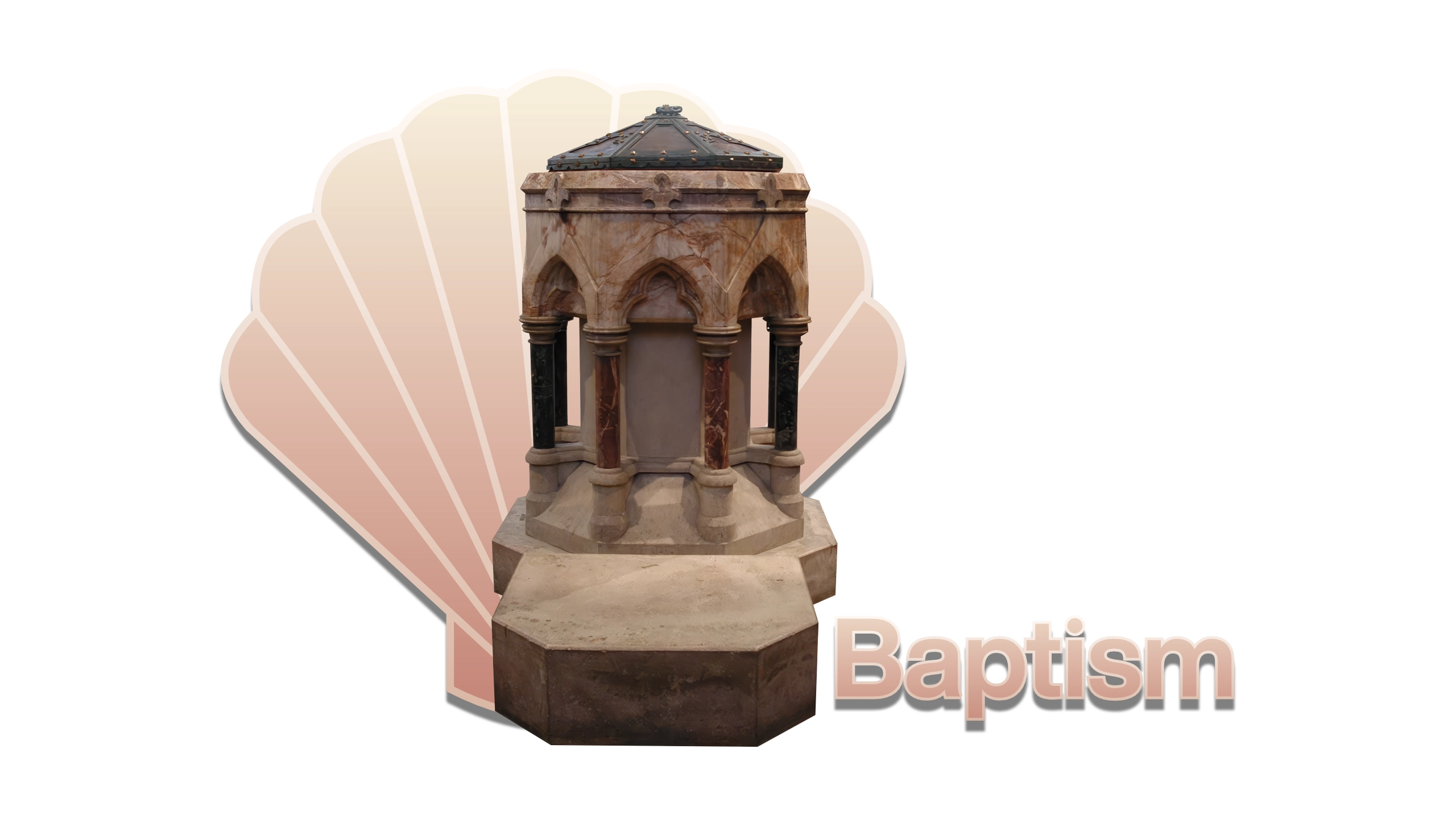
Baptism
May. 17, 2026
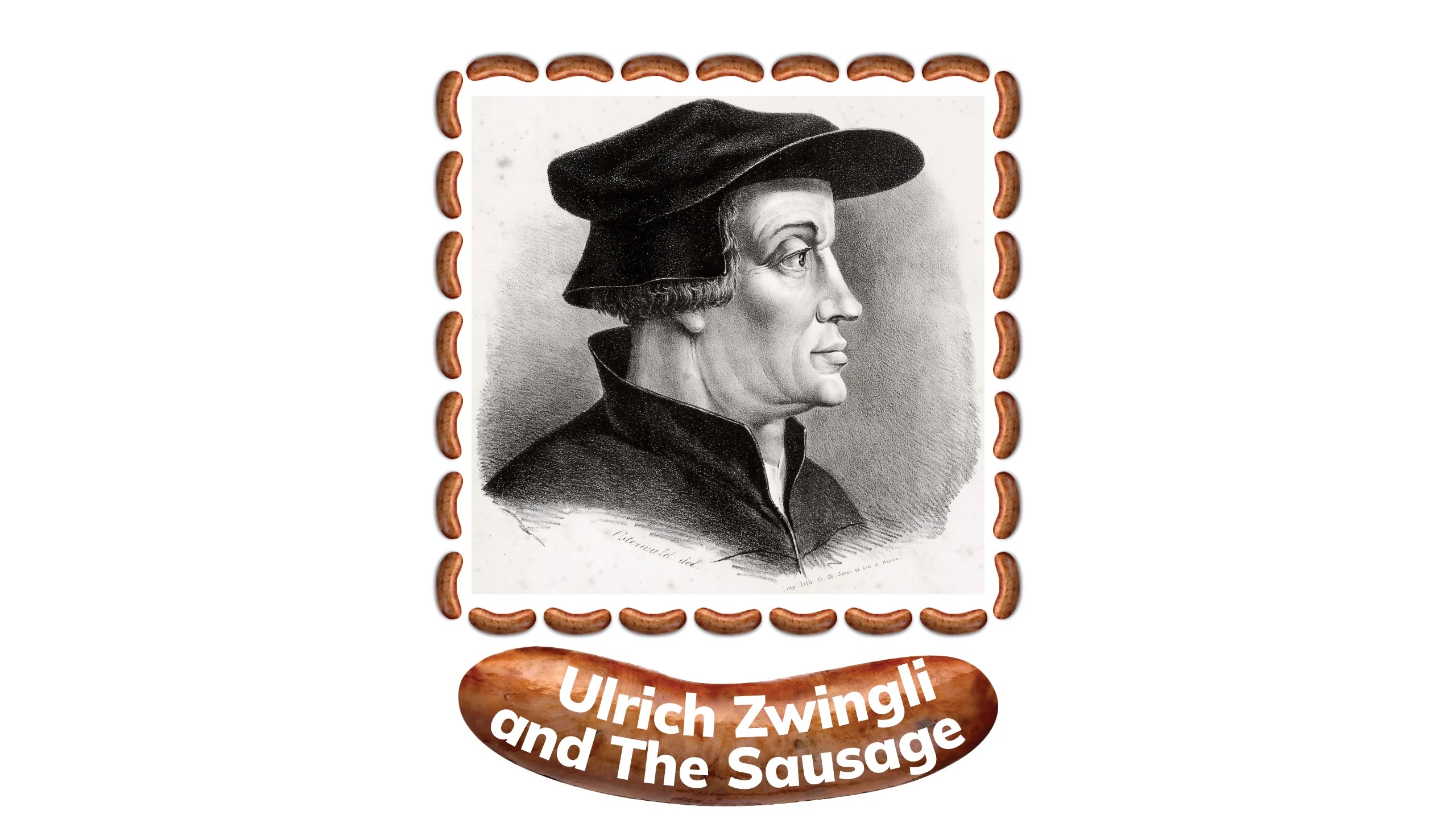
Ulrich Zwingli and The Sausage

May. 10, 2026
Seeking Fulfilment?

May. 03, 2026
The way, the truth and the life

Apr. 19, 2026
Jesus, Peter and the Path
Apr. 12, 2026
Doubting Thomas?
Mar. 22, 2026
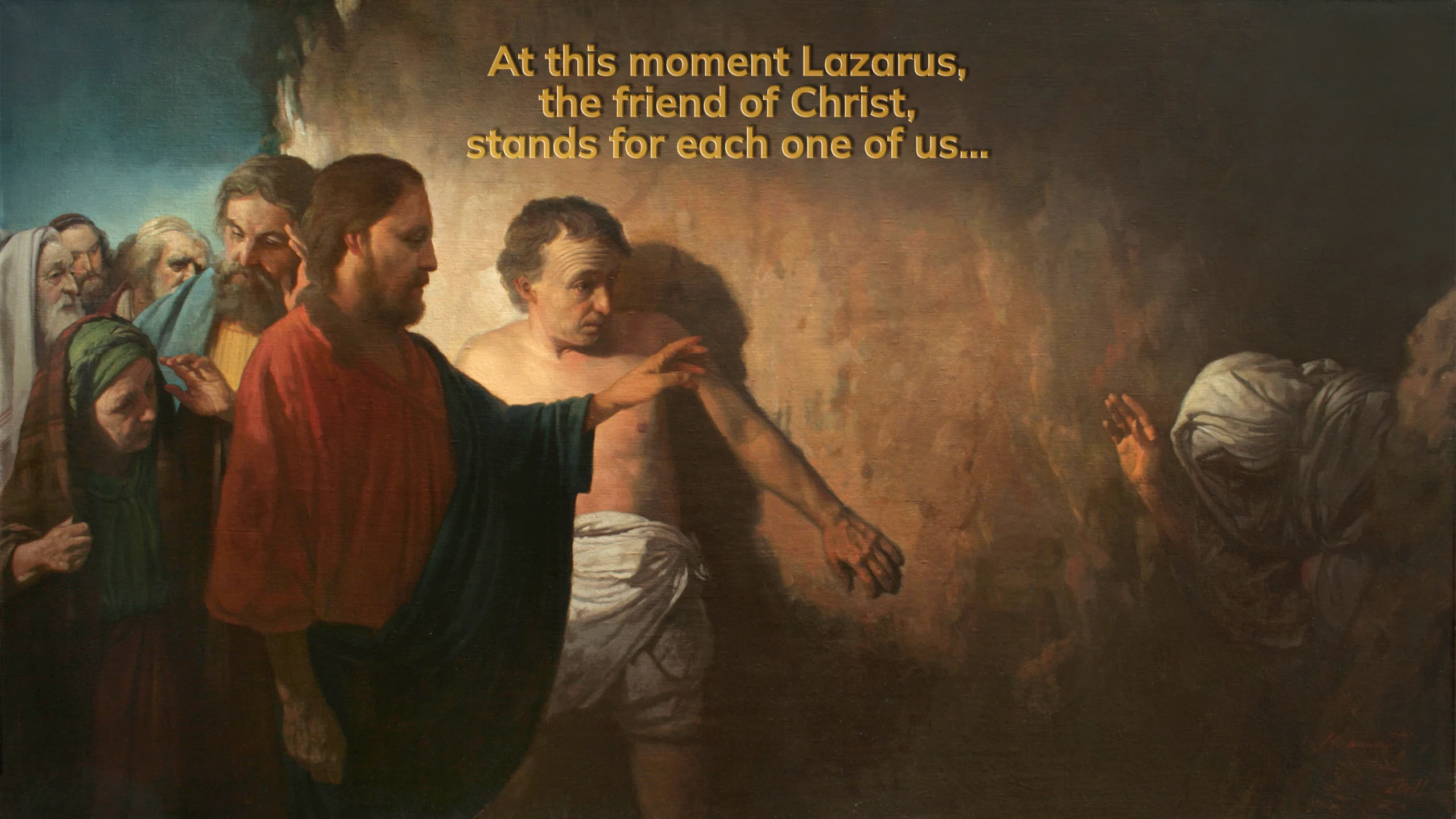
The Resurrection of Lazarus

Feb. 01, 2026
Simeon the Sentry

Jan. 11, 2026
The Suffering Servant

Jan. 04, 2026
The Epiphany

Dec. 28, 2025
Massacre of the Holy Innocents

Dec. 21, 2025
The King’s Arrival
Talks Archive
May the words of my mouth and the meditation of my heart be always acceptable in your sight, O God, my strength and my redeemer. Amen.
Poor old St Thomas, known forever as Doubting Thomas. In fact it could be argued that Thomas is the most fervent believer of all the apostles. In John Chapter 11, when Jesus says to the disciples, ‘Let us go to Judea again. They say, ‘Rabbi, the Jews were just now trying to stone you, and are you going there again?’ Jesus says ‘Lazarus is dead. Let us go to him.’ And it is Thomas who says, ‘Let us also go, that we may die with him.’ And it is he, who in the climax to John’s gospel, makes the greatest confession of faith of all: Jesus said to Thomas, ‘Put your finger here and see my hands. Do not doubt but believe.’ Thomas answered him, ‘My Lord and my God!’
Now acknowledging that Jesus was their Lord and that Jesus was associated with the Divinity is a major theme of the Gospels, but here Thomas goes beyond this, for he now, in a flash, perceives that Jesus was his Lord in a deeper sense than he had understood before; Jesus may from now be called, My God. This indeed was involved in the claims that Jesus made for himself, but hadn’t expressed them so explicitly. Thomas’ confession of faith goes far beyond Nathanael’s confession at the beginning of Jesus’ ministry, when Nathanael said, ‘Rabbi, you are the Son of God! You are the King of Israel!’ Thomas’ confession expresses the deepest of Christian truths, which John placed at the forefront of his Gospel, governing and explaining all that he is about to tell: ‘In the beginning was the Word, and the Word was with God, and the Word was God.’ John doesn’t represent any disciple as having recognised this truth before the eager and enthusiastic Thomas perceived it at this moment of spiritual exaltation.
Thomas the doubter? In fact, it has even been argued that Thomas was right to initially doubt the other disciples when they said they had seen the risen Lord. The argument goes that it is never taught in the Gospel that an easy belief, a credulity is a Christian virtue; and Thomas was therefore not wrong in wishing for some better proof of his Master’s resurrection than hearsay could provide. Indeed, had not Jesus himself warned his disciples not to believe every tale they had heard about him: “The time is coming [Jesus had said] when you will long to see one of the days of the Son of Man, but you will not see it. People will tell you, ‘There he is!’ or ‘Here he is!’ Do not go running off after them.’
To illustrate the story of St Thomas, I’m going to read from Dorothy L Sayer’s Man Born to be King, as I think she puts this rather well.
The disciples are in the upper room talking, late on Easter day; Nathanael says: You know there’s an order gone out that anybody who repeats this resurrection-story will be put in prison, and-
(There’s a knock at the door)
What’s that?
Andrew: They’ve come for us.
(The knocking is repeated)
James: I’ll see who it is.
Philip: Take care, James!
James (at the door): Who’s there?
Clopas (outside): It’s Clopas and Mary.
James: We thought you were the police.
Clopas: James—John—everybody! We’ve seen the Master!
Disciples: What? … You have? … How? … When?
Andrew: Let them in, and bar the door. (Door barred) Now—tell us!
And then Mary and Clopas tell the story of encountering Jesus on the road to Emmaus:
Clopas: Then he took the bread, and blessed, and broke it. And as he held it out to us, we saw his hands—and the marks of the nails were in them.
Mary: And we looked in his face, and knew him. … It was as if we’d been blind all the time.
Clopas: Just in a flash, it came to us. … And then he was gone. There was nothing there, but the bread lying broken upon the table.
Nathanael: It was an apparition-
Andrew: A vision-
Matthew: It’s frightening, that’s what it is. Uncanny. That’s not the Master we knew. Appearing like that, and vanishing and you not recognising him-
Philip: It’s a phantom—how do we know it isn’t an evil spirit? … I don’t like it. … Supposing it was to come in on us now—
Jesus arrives in the midst of them: Peace be unto you!
Jesus: Children, what are you afraid of? Why do you doubt? …
John: Dear Lord, is it really you?
Jesus: Feel me and see. Take my hand.
John (shrinking a little—not because he is afraid, but remembering the Emmaus story): Your hand?
Jesus: A ghost doesn’t have flesh and bones as I have—does it?
John: Your hands are warm—and strong—and they are wounded. … How dared they use you so? … I stood and saw it. Each blow went through my heart.
Jesus: My heart was pierced also. Look!—Don’t let that terrify you, children. You see—you can feel—that I am alive.
The evangelist: Now Thomas called Didymus was not with the disciples when Jesus came. And after eight days, they were together once more, and Thomas with them.
Thomas: You can all say what you like. Seeing’s believing. I tell you again—unless I see in his hands the print of the nails—no, seeing’s not enough! Until I have felt with my finger the print of the nails—until I grasp and hold him and thrust my hand into his side, I’ll believe nothing.
Matthew: Really, Thomas! Anybody’d think you didn’t want it to be true.
Thomas: Wishful thinking won’t do. I want proof. And when I say proof—
John: Hush, Thomas. He’s here.
Jesus: Peace be unto you.
The disciples: And to you.
Jesus: Come here, Thomas. Put out your finger and feel my hands. Reach out your hand and thrust it into my side. And doubt no longer, but believe.
Thomas (with absolute conviction): You are my Lord and my God…
Jesus: Thomas, because you have seen me, you have believed. Blessed are they that have not seen, and yet have believed.
Peter (who has suddenly become aware of some appalling implications): Master—when I disowned you—when we disbelieved and doubted you—when we failed and deserted and betrayed you—is that what we do to God ?
Jesus: Yes, Peter.
James: Lord, when they mocked and insulted and spat upon you—when they flogged you—when they howled for your blood—when they nailed you to the cross and killed you—is that what we do to God?
Jesus: Yes, James
John: Beloved, when you patiently suffered all things, and went down to death with all our sins heaped upon you—is that what God does for us?
Jesus: Yes, John. For you, and with you, and in you, when you are freely mine. For you are not slaves, but sons and daughters. Free to be false or faithful, free to reject or confess me, free to crucify God or be crucified with Him, sharing the shame and sorrow, and the bitter cross and the glory. They that die with me rise with me also, being one with me, as I and my Father are one.
John: This, then, is the meaning of the age-old sacrifice—the blood of the innocent for the sins of the world.
Jesus: Draw near. Receive the breath of God. As the Father sent me forth, so I send you. The guilt that you absolve shall be absolved, and the guilt that you condemn shall be condemned. And peace, be unto you.
May we have the faith of Thomas, whose recognition of Jesus led him to evangelise by land and sea, as far as India’s Malabar coast. And may the peace of the risen Christ be upon us now and all our days, and carry us through to the life beyond. In Jesus’ name.
Amen.
The Rev. Michael Aylmer
St Mary Magdalene Enfield
12/04/2026


