

All Souls Vlog
Read Time: 6 mins
All Souls 2024
I’ve been ordained for 25 years now. That means that I’ve done a lot of funerals. I’ve been struck by how often families have told me about seeing a person they love after they died, especially if they didn’t have a chance to say goodbye. For example, I remember a funeral I did for an old lady in the East End. She died in Poplar but her daughter and some of her grandchildren were at their chalet at Leysdown that day. At the same moment she died they saw her sitting for a moment on the step of their chalet, gazing at them.
Now we tell ourselves we’re rational, that we don’t buy into any of that stuff—the visions, the dreams, the mysteries of the departed, our beloved dead But, of course, what that means is we can’t help but feel that between the living and the dead is an unbridgeable distance; what that means is that we can’t help but feel alone, that the dead are gone forever. That’s just one of the side effects of a secular world without mysteries—loneliness. And we feel it the most painfully, when a person we’ve loved has died. I think that absence is what’s brought many of you here this evening. On the Feast of All Souls we feel the pain of our loss and maybe we don’t really know what to do with that pain, in our enlightened loneliness. Our ancestors knew. They were closer to the dead. They knew that there is some enduring communion that the living share with the dead.
And sometimes people would even try to make contact with the dead. Just a century ago, for example, in the years after the Great War, countless people sought to contact those they’d lost in the war. Sir Arthur Conan Doyle, for instance, the creator of Sherlock Holmes, lost his son in the war. He spent the rest of his life in séance after séance, trying to communicate with his so. Many thousands of people did the same. The Church has rightly opposed attempts to communicate with the dead like that. But Christianity is still much more of open to the mysteries of the dead than the secular world now is.
Christianity is a wilder thing than we’ve tamed it to be. What I’m trying to say is that when it comes to the communion of the living and the dead, Shakespeare was right to say that there are more things in heaven and on earth than are dreamt of in our philosophy. We are closer to the dead than we realize; our communion with those we love is a real communion. What I’m trying to say is that that’s what brings us here tonight, to the altar of this church. What brings us here is our love for those we’ve lost and the sense that we belong to them and they to us, even now in mystery, no matter our foolish pretensions to be too modern to believe that any more. We are still very close to those we love and see no longer when we are in a church.
There is a third choice besides the cold secular banishment of mystery and the sad superstitions of seances and spiritualism. That third choice is the truth of the Christian faith. We believe in the communion of saints. Here in church is where you are closest to those you love—where Jesus Christ is to be found. Here is where you are no longer alone, but instead very close—in Christ – to those we’ve lost and yet still love.
And this belief is beautiful. Our ancestors used to have visions and dreams about the dead. I remember one medieval story that preachers used to tell: of a pilgrim on his deathbed, afraid to let go. God sent his angels to console him, but even that wouldn’t do. And so, God decided to send King David, the great musician who composed the Psalms, to that man’s side, to play him the music of heaven. The ancient story says, “Then the pilgrim’s soul, hearing the sweet sound, left his body with joy and delight.” The music called him. Heaven is beautiful, you see; our mourning is a sadness that will be healed by divine beauty forever. Our tears shall be wiped away by God Himself.
Unspeakable beauty. Like another old story of angels carrying a soul to heaven. The angels were silent, all of them but one. The angel at the head of the procession was singing in a language no one knew, a language only the holiest mystics could hear but that even they could not understand. The soul goes to beauty. Heaven is not like earth. Heaven is so beautiful that we can’t even imagine it.
In church we stand on the shore of eternity. Each Sunday we taste heaven in Christ in the sacrament of the Eucharist. This is the closest we can get, at least on this earth, to those we love—those who now know a beauty beyond what we can imagine. Those whose names we read aloud or those whose names we whisper – they pray for us as we pray for them tonight, until we are reunited in that place where we shall rest and we shall see, we shall see and we shall love, we shall love and we shall praise, in that end which is without end.
Amen.
The Rev’d Dr James Lawson, St Mary Magdalene Enfield, November 2024
Sep. 27, 2026
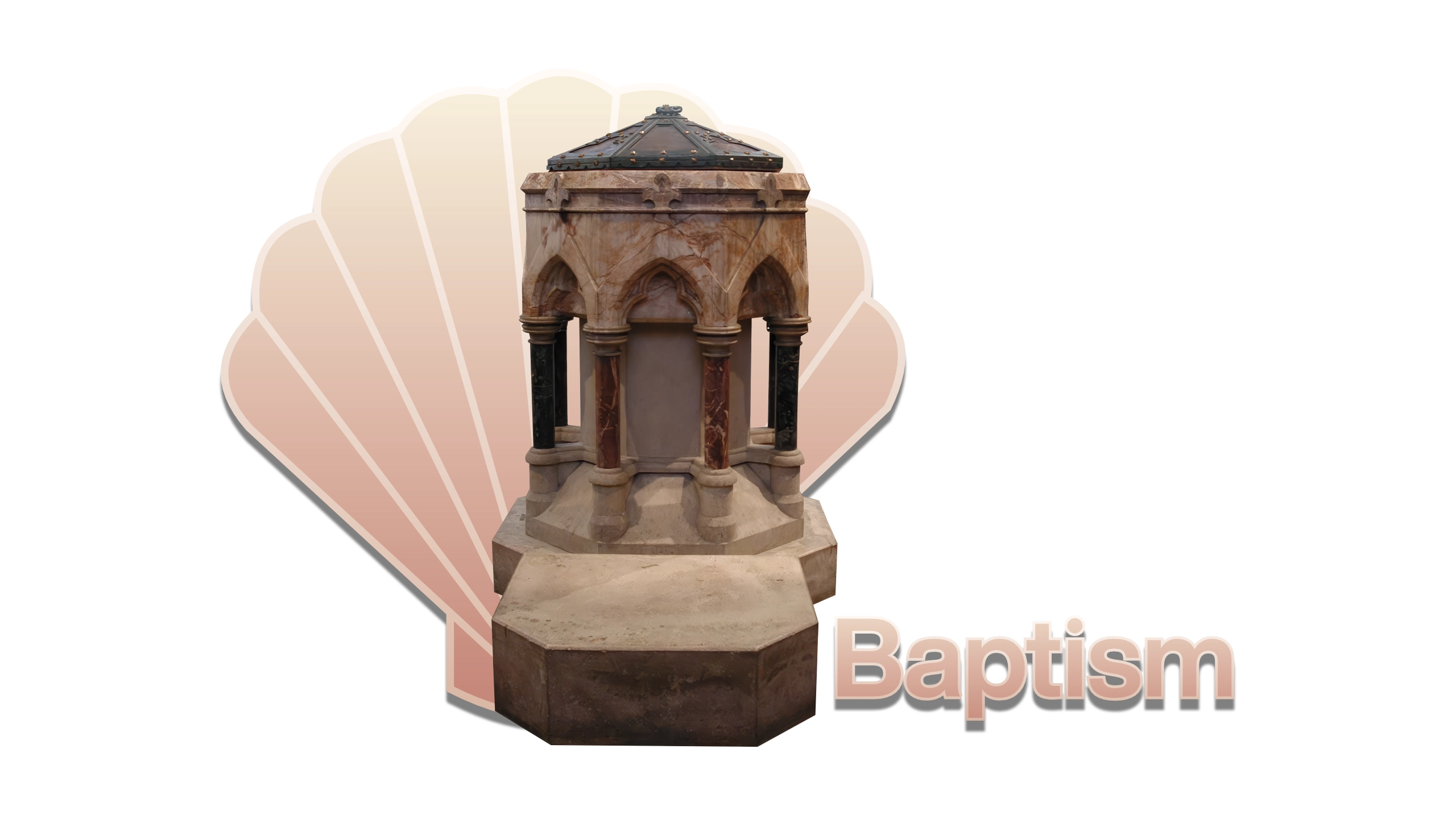
Baptism

May. 17, 2026
Ulrich Zwingli and The Sausage

May. 10, 2026
Seeking Fulfilment?

May. 03, 2026
The way, the truth and the life

Apr. 19, 2026
Jesus, Peter and the Path
Apr. 12, 2026
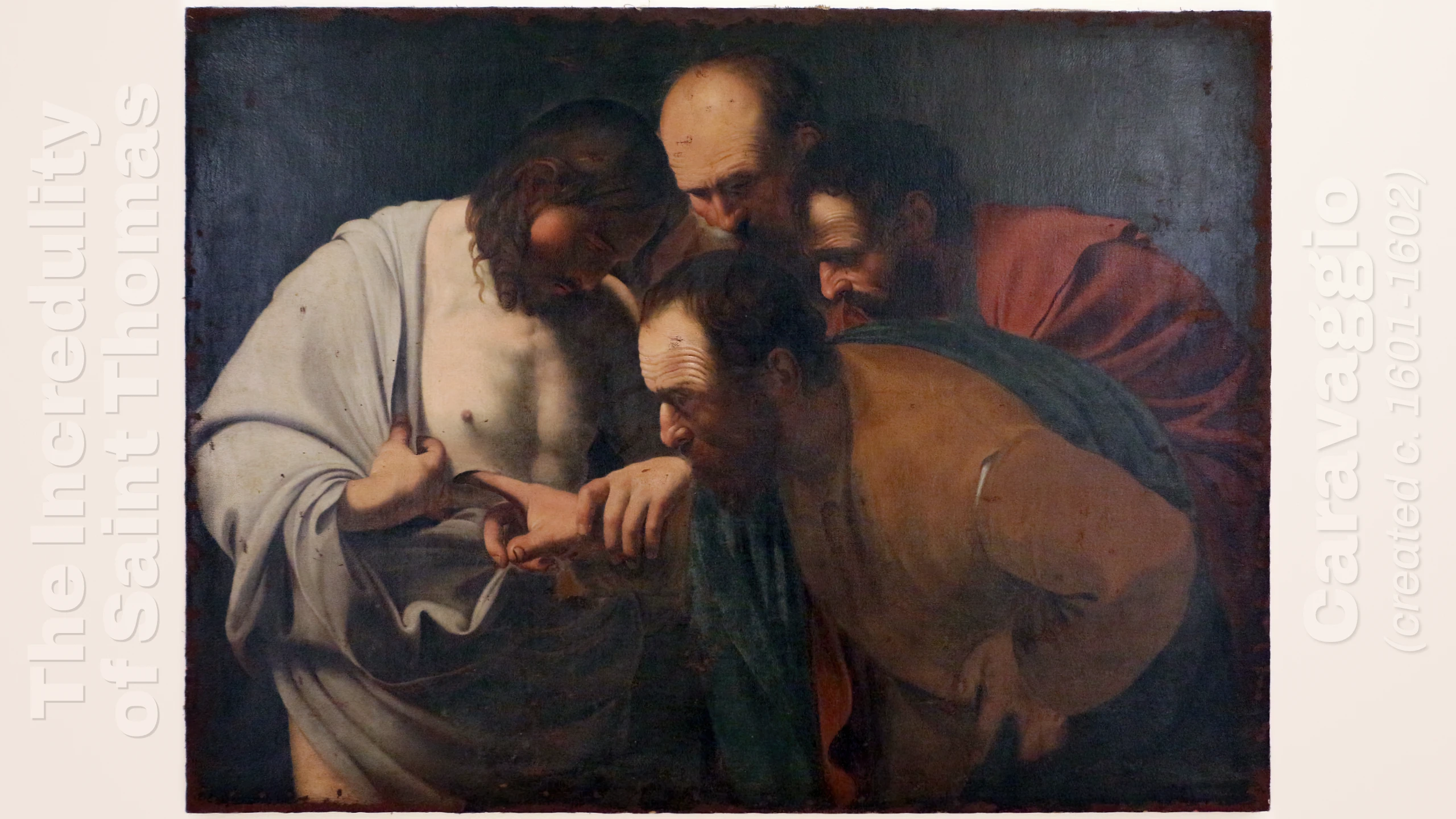
Doubting Thomas?
Mar. 22, 2026
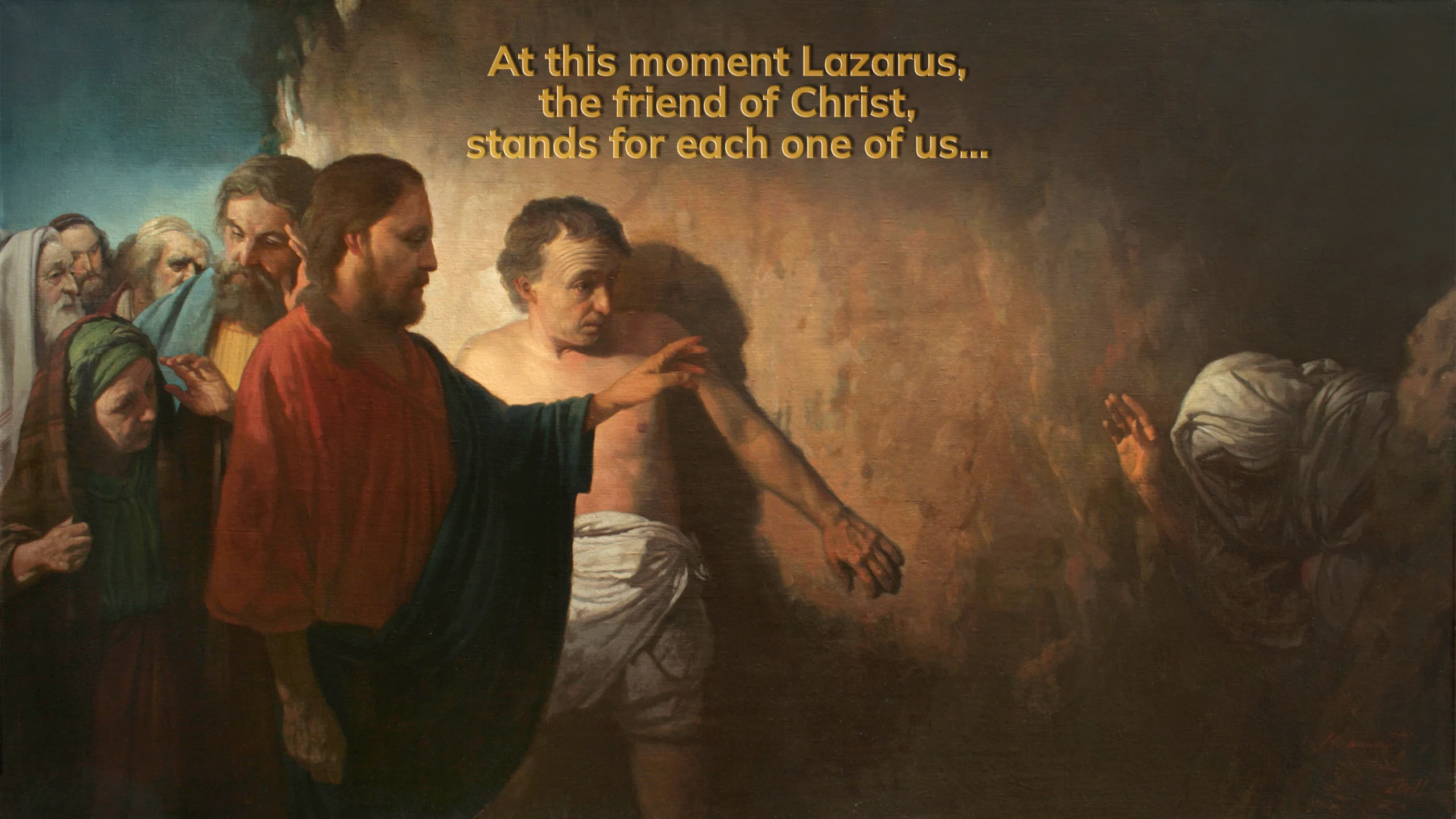
The Resurrection of Lazarus

Feb. 01, 2026
Simeon the Sentry

Jan. 11, 2026
The Suffering Servant

Jan. 04, 2026
The Epiphany

Dec. 28, 2025
Massacre of the Holy Innocents

Dec. 21, 2025
The King’s Arrival
Talks Archive
All Souls 2024
I’ve been ordained for 25 years now. That means that I’ve done a lot of funerals. I’ve been struck by how often families have told me about seeing a person they love after they died, especially if they didn’t have a chance to say goodbye. For example, I remember a funeral I did for an old lady in the East End. She died in Poplar but her daughter and some of her grandchildren were at their chalet at Leysdown that day. At the same moment she died they saw her sitting for a moment on the step of their chalet, gazing at them.
Now we tell ourselves we’re rational, that we don’t buy into any of that stuff—the visions, the dreams, the mysteries of the departed, our beloved dead But, of course, what that means is we can’t help but feel that between the living and the dead is an unbridgeable distance; what that means is that we can’t help but feel alone, that the dead are gone forever. That’s just one of the side effects of a secular world without mysteries—loneliness. And we feel it the most painfully, when a person we’ve loved has died. I think that absence is what’s brought many of you here this evening. On the Feast of All Souls we feel the pain of our loss and maybe we don’t really know what to do with that pain, in our enlightened loneliness. Our ancestors knew. They were closer to the dead. They knew that there is some enduring communion that the living share with the dead.
And sometimes people would even try to make contact with the dead. Just a century ago, for example, in the years after the Great War, countless people sought to contact those they’d lost in the war. Sir Arthur Conan Doyle, for instance, the creator of Sherlock Holmes, lost his son in the war. He spent the rest of his life in séance after séance, trying to communicate with his so. Many thousands of people did the same. The Church has rightly opposed attempts to communicate with the dead like that. But Christianity is still much more of open to the mysteries of the dead than the secular world now is.
Christianity is a wilder thing than we’ve tamed it to be. What I’m trying to say is that when it comes to the communion of the living and the dead, Shakespeare was right to say that there are more things in heaven and on earth than are dreamt of in our philosophy. We are closer to the dead than we realize; our communion with those we love is a real communion. What I’m trying to say is that that’s what brings us here tonight, to the altar of this church. What brings us here is our love for those we’ve lost and the sense that we belong to them and they to us, even now in mystery, no matter our foolish pretensions to be too modern to believe that any more. We are still very close to those we love and see no longer when we are in a church.
There is a third choice besides the cold secular banishment of mystery and the sad superstitions of seances and spiritualism. That third choice is the truth of the Christian faith. We believe in the communion of saints. Here in church is where you are closest to those you love—where Jesus Christ is to be found. Here is where you are no longer alone, but instead very close—in Christ – to those we’ve lost and yet still love.
And this belief is beautiful. Our ancestors used to have visions and dreams about the dead. I remember one medieval story that preachers used to tell: of a pilgrim on his deathbed, afraid to let go. God sent his angels to console him, but even that wouldn’t do. And so, God decided to send King David, the great musician who composed the Psalms, to that man’s side, to play him the music of heaven. The ancient story says, “Then the pilgrim’s soul, hearing the sweet sound, left his body with joy and delight.” The music called him. Heaven is beautiful, you see; our mourning is a sadness that will be healed by divine beauty forever. Our tears shall be wiped away by God Himself.
Unspeakable beauty. Like another old story of angels carrying a soul to heaven. The angels were silent, all of them but one. The angel at the head of the procession was singing in a language no one knew, a language only the holiest mystics could hear but that even they could not understand. The soul goes to beauty. Heaven is not like earth. Heaven is so beautiful that we can’t even imagine it.
In church we stand on the shore of eternity. Each Sunday we taste heaven in Christ in the sacrament of the Eucharist. This is the closest we can get, at least on this earth, to those we love—those who now know a beauty beyond what we can imagine. Those whose names we read aloud or those whose names we whisper – they pray for us as we pray for them tonight, until we are reunited in that place where we shall rest and we shall see, we shall see and we shall love, we shall love and we shall praise, in that end which is without end.
Amen.
The Rev’d Dr James Lawson, St Mary Magdalene Enfield, November 2024


