
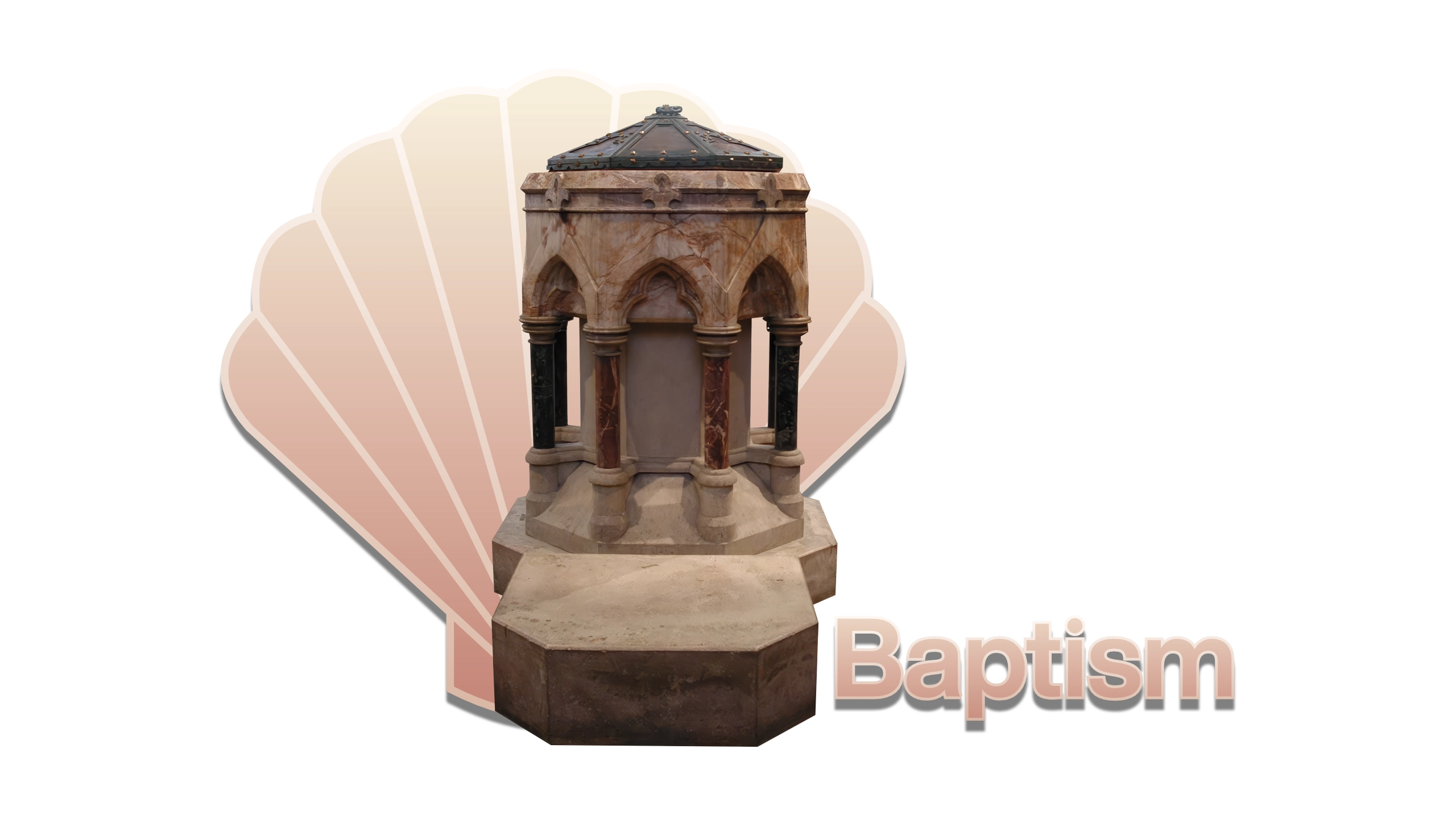
Baptism
Read Time: 7 mins
Trinity 17: Matthew 21. 23-32
Today we have a baptism. In a moment we will baptise the great grandson of my predecessor John Sampford. He and his wife Mary are buried in our Garden of Remembrance. I know that many of you remember him and still thank God for his ministry.
Baptism is both a gift and a commission.
It is a great and wonderful gift from God. The words of a blessing for a new Christian who has just been baptized from the church in Syria describe how much is given to us.
“O brother! Sing praise to the Son of the Lord of all, who has made for you a crown more desirable than that of any king. Brilliant is your garment, brother, like the sun: and your face shines like an angel’s. Like an angel you rose up, beloved, from the baptistry by the power of the Holy Spirit. Brother, you have been granted access to the wedding chamber. Today you have put on anew the glory of Adam. Your garments are lovely, your crown beautiful. By the ministry of his priest, the Firstborn has prepared them for you. The fruit Adam did not taste in Paradise has been placed, today, in your mouth. Go in peace, son of the baptistry. Adore the Cross! It will preserve you.”
Baptism is a gift because it confers all this grace whether it is given to a child or an adult, and whether we feel anything special or not at our baptism.
St Augustine tells the story of one his friends who was baptised when he was very ill and unconscious. Before he was baptised he used to mock Christians with Augustine who wasn’t baptised either. But when his friend regained consciousness and Augustine made a cynical joke about his baptism his friend treated him like an enemy. He told Augustine not to speak to him like that ever again. Even though he had been unconscious when he was baptised, Augustine’s friend was a changed man.
So baptism is a gift, a wonderful gift whose reality doesn’t depend on what we feel about it, or even on whether we are conscious when we receive this transcendent gift.
At the same time baptism is also a commission. It is a seed of grace and we need to let it grow. Godparents promise to help let that happen is their godchild’s life. It is not for nothing that the Gospel is full of parables about farming. Godparents are like gardeners and farmers. Every godparent and all the baptised must to nurture what is received at baptism. We must strengthen and steel our resolve to let the seed of grace grow, to let that potential be realized in our lives.
In 1996 Pope John Paul II visited France in 1996 for the anniversary of the baptism of Clovis, the first king of what would become France. He preached at an open air Mass, and congratulated France on this great jubilee, and talked about her great mission, her civilizing mission to the world. But then at the end, he said – dear France, permit me to ask this question. We are here to celebrate the anniversary of a baptism, a thousand years ago, which symbolises the baptism of France. What have you done with your baptism? What’s become of it? What have you made of your baptism?
That is a question we should all ask ourselves on a regular basis. Are you living your baptism? How are you praying and loving and letting the seed of grace that you were given grow? Are you becoming a person who lives the Beatitudes? Looking at you could someone see what it means to be merciful, to mourn, to long for what is right, to be pure in heart, to make peace, and to be persecuted? It is not too late to let people see Jesus in you.
This is what He asks of us in our Gospel today in the parable of the two sons. Their father invites them both to go and work in the vineyard. The first son responds, “No, I’m not going,” but then he repents and goes. And the second son, who immediately replies, “Yes, sir,” does not actually go.
Obedience does not consist in merely saying “yes” or “no,” but in taking action, cultivating the vineyard, bringing about the Kingdom of God, and doing good.
So we need to do something with our baptism. We need to make something of it. We need to let it change the world.
Otherwise we will be like the chief priests and the elders of the people. Jesus tells them that the tax collectors and prostitutes go into the Kingdom of God before them. Jesus isn’t saying that the religious people you see at church are all worse than the worst people you can think of, so don’t bother being religious. The tax collectors and prostitutes are not role models. They are ordinary, flawed people who have responded to the grace they have been given. Conversion is always a grace—a grace that Jesus offers to anyone who opens up and turns to Him and struggles to be holy. Listening to His preaching, these sinners repented and changed their lives. So it’s not too late for any of us: the full potential of our baptism can still be realised in our lives.
In the Gospel, the first brother said “no” to his father, but then he changed his “no” to a “yes”; he repented. God is patient with each of us: He does not get tired of us. He does not give up on us after our “no.” He leaves us free even to distance ourselves from Him and make mistakes. God is patient. He waits for us. He walks with us. He respects our freedom. He awaits our “yes” to welcome us anew into His embrace and crown us with His mercy.
Faith in God asks us to renew every day the decision that was made at our baptism.
Do you reject the devil and all rebellion against God?
I reject them.
Do you renounce the deceit and corruption of evil?
I renounce them.
Do you repent of the sins that separate us from God and neighbour?
I repent of them.
Do you turn to Christ as Saviour?
I turn to Christ.
Do you submit to Christ as Lord?
I submit to Christ.
Do you come to Christ, the way, the truth and the life?
I come to Christ.
Amen.
The Rev’d Dr James Lawson
St Mary magdalene, Enfield, 27/09/2026
Sep. 27, 2026
Baptism
May. 17, 2026
Ulrich Zwingli and The Sausage

May. 10, 2026
Seeking Fulfilment?

May. 03, 2026
The way, the truth and the life

Apr. 19, 2026
Jesus, Peter and the Path
Apr. 12, 2026
Doubting Thomas?
Mar. 22, 2026
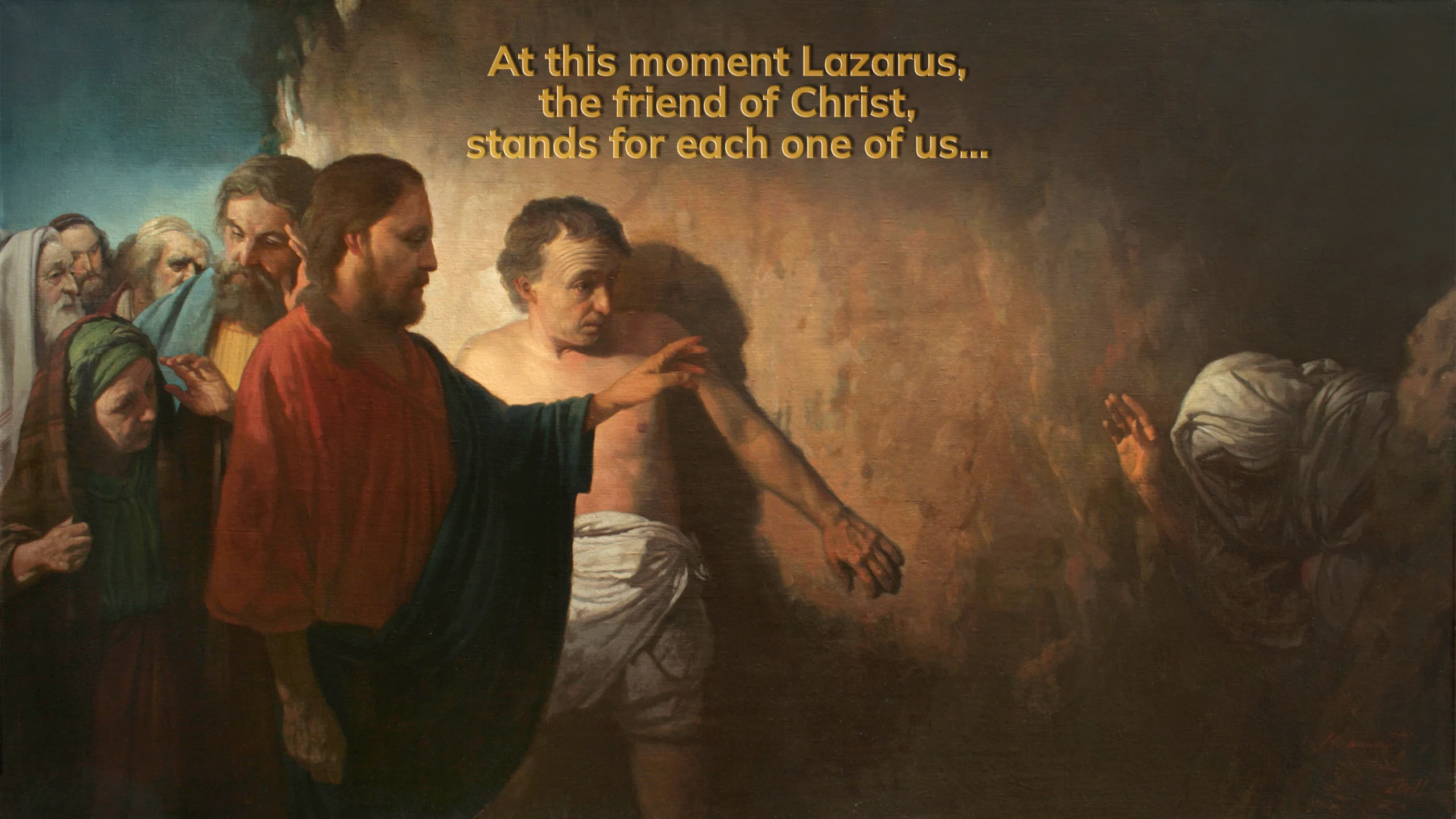
The Resurrection of Lazarus

Feb. 01, 2026
Simeon the Sentry

Jan. 11, 2026
The Suffering Servant

Jan. 04, 2026
The Epiphany

Dec. 28, 2025
Massacre of the Holy Innocents

Dec. 21, 2025
The King’s Arrival
Talks Archive
Trinity 17: Matthew 21. 23-32
Today we have a baptism. In a moment we will baptise the great grandson of my predecessor John Sampford. He and his wife Mary are buried in our Garden of Remembrance. I know that many of you remember him and still thank God for his ministry.
Baptism is both a gift and a commission.
It is a great and wonderful gift from God. The words of a blessing for a new Christian who has just been baptized from the church in Syria describe how much is given to us.
“O brother! Sing praise to the Son of the Lord of all, who has made for you a crown more desirable than that of any king. Brilliant is your garment, brother, like the sun: and your face shines like an angel’s. Like an angel you rose up, beloved, from the baptistry by the power of the Holy Spirit. Brother, you have been granted access to the wedding chamber. Today you have put on anew the glory of Adam. Your garments are lovely, your crown beautiful. By the ministry of his priest, the Firstborn has prepared them for you. The fruit Adam did not taste in Paradise has been placed, today, in your mouth. Go in peace, son of the baptistry. Adore the Cross! It will preserve you.”
Baptism is a gift because it confers all this grace whether it is given to a child or an adult, and whether we feel anything special or not at our baptism.
St Augustine tells the story of one his friends who was baptised when he was very ill and unconscious. Before he was baptised he used to mock Christians with Augustine who wasn’t baptised either. But when his friend regained consciousness and Augustine made a cynical joke about his baptism his friend treated him like an enemy. He told Augustine not to speak to him like that ever again. Even though he had been unconscious when he was baptised, Augustine’s friend was a changed man.
So baptism is a gift, a wonderful gift whose reality doesn’t depend on what we feel about it, or even on whether we are conscious when we receive this transcendent gift.
At the same time baptism is also a commission. It is a seed of grace and we need to let it grow. Godparents promise to help let that happen is their godchild’s life. It is not for nothing that the Gospel is full of parables about farming. Godparents are like gardeners and farmers. Every godparent and all the baptised must to nurture what is received at baptism. We must strengthen and steel our resolve to let the seed of grace grow, to let that potential be realized in our lives.
In 1996 Pope John Paul II visited France in 1996 for the anniversary of the baptism of Clovis, the first king of what would become France. He preached at an open air Mass, and congratulated France on this great jubilee, and talked about her great mission, her civilizing mission to the world. But then at the end, he said – dear France, permit me to ask this question. We are here to celebrate the anniversary of a baptism, a thousand years ago, which symbolises the baptism of France. What have you done with your baptism? What’s become of it? What have you made of your baptism?
That is a question we should all ask ourselves on a regular basis. Are you living your baptism? How are you praying and loving and letting the seed of grace that you were given grow? Are you becoming a person who lives the Beatitudes? Looking at you could someone see what it means to be merciful, to mourn, to long for what is right, to be pure in heart, to make peace, and to be persecuted? It is not too late to let people see Jesus in you.
This is what He asks of us in our Gospel today in the parable of the two sons. Their father invites them both to go and work in the vineyard. The first son responds, “No, I’m not going,” but then he repents and goes. And the second son, who immediately replies, “Yes, sir,” does not actually go.
Obedience does not consist in merely saying “yes” or “no,” but in taking action, cultivating the vineyard, bringing about the Kingdom of God, and doing good.
So we need to do something with our baptism. We need to make something of it. We need to let it change the world.
Otherwise we will be like the chief priests and the elders of the people. Jesus tells them that the tax collectors and prostitutes go into the Kingdom of God before them. Jesus isn’t saying that the religious people you see at church are all worse than the worst people you can think of, so don’t bother being religious. The tax collectors and prostitutes are not role models. They are ordinary, flawed people who have responded to the grace they have been given. Conversion is always a grace—a grace that Jesus offers to anyone who opens up and turns to Him and struggles to be holy. Listening to His preaching, these sinners repented and changed their lives. So it’s not too late for any of us: the full potential of our baptism can still be realised in our lives.
In the Gospel, the first brother said “no” to his father, but then he changed his “no” to a “yes”; he repented. God is patient with each of us: He does not get tired of us. He does not give up on us after our “no.” He leaves us free even to distance ourselves from Him and make mistakes. God is patient. He waits for us. He walks with us. He respects our freedom. He awaits our “yes” to welcome us anew into His embrace and crown us with His mercy.
Faith in God asks us to renew every day the decision that was made at our baptism.
Do you reject the devil and all rebellion against God?
I reject them.
Do you renounce the deceit and corruption of evil?
I renounce them.
Do you repent of the sins that separate us from God and neighbour?
I repent of them.
Do you turn to Christ as Saviour?
I turn to Christ.
Do you submit to Christ as Lord?
I submit to Christ.
Do you come to Christ, the way, the truth and the life?
I come to Christ.
Amen.
The Rev’d Dr James Lawson
St Mary magdalene, Enfield, 27/09/2026


