
Christmas is God with us
Read Time: 5 mins
Epiphany 2024
They departed to their own country by another way. (Mt 2:12) These are the last words of the Gospel we’ve just heard. In the context of St Matthew’s story of the wise men, they make perfect sense. The wise men are warned to return home by another way to avoid falling into the hands of wicked King Herod.
At the same time these words seem to allude to a strange story found in the Old Testament, in the First Book of Kings (1Kings 13:1-32). The story is set in the aftermath of the rebellion of the Northern Kingdom of Israel against the Kingdom of Judah and the rule of the descendants of King David in Jerusalem. The first King of the Northern Kingdom, Jeroboam is anxious to stop his people from going to worship in Jerusalem so he establishes places for idolatrous worship within his own territory:
The king took counsel, and made two calves of gold. And he said to the people, “You have gone up to Jerusalem long enough. Behold your gods, O Israel, who brought you up out of the land of Egypt.”
And he set one in Bethel, and the other he put in Dan. And this thing became a sin, for the people went to the one at Bethel and to the other as far as Dan. (1 Ki. 12:28-30)
A prophet then comes out of Judah to the altar at Bethel and in the presence of King Jeroboam he foretells the birth of a son named Josiah to the house of David who will restore true worship. The prophet from Judah is instructed by God not to eat bread or drink water in the place to which he has been sent, and not to return home by the way he came.
But this prophet doesn’t follow God’s instructions and he comes to a bad end. A lion is waiting for him on the road and kills him. The lion kills the man but then does not eat him. It seems like this lion (unlike the prophet) only does what God has told him to do and no more.
This story from the Old Testament points forward to the story of the wise men and to Christ: both stories have the promise of the birth of a son to the house of David; both stories feature a king who sets himself up as an enemy to the true worship of God, and forces his subjects to choose between loyalty to himself and fidelity to the true God.
But the main connection between the two stories is that in both stories the witnesses to God’s truth come into a land where that truth is not welcome and they are in danger. The prophet and the wise men are bearers of God’s truth, but the principle witness to the truth is of course Jesus Himself. He is born subject to worldly powers that would even try to kill the truth as soon as it is born. King Herod was furious with the wise men when they didn’t come back to tell him where Jesus was. He orders the Massacre of the Innocents, the execution of all male children of two or under born near Bethlehem.
In the story of the prophet from Judah, the point of the command not to eat, not to drink and return by a different way seems to be, simply, to test his obedience. The instructions make no sense. They only make the prophet’s mission more difficult. But because he doesn’t do exactly what God tells him to do, he dies. Unlike the prophet in the Book of Kings the wise men do obey God. Total obedience to God brings them through the danger and safely back home.
This journey of the wise men back home is as important a part of the story as their journey to Bethlehem. Finding the child Jesus is not the end of the story. Christmas is not a happy ending.
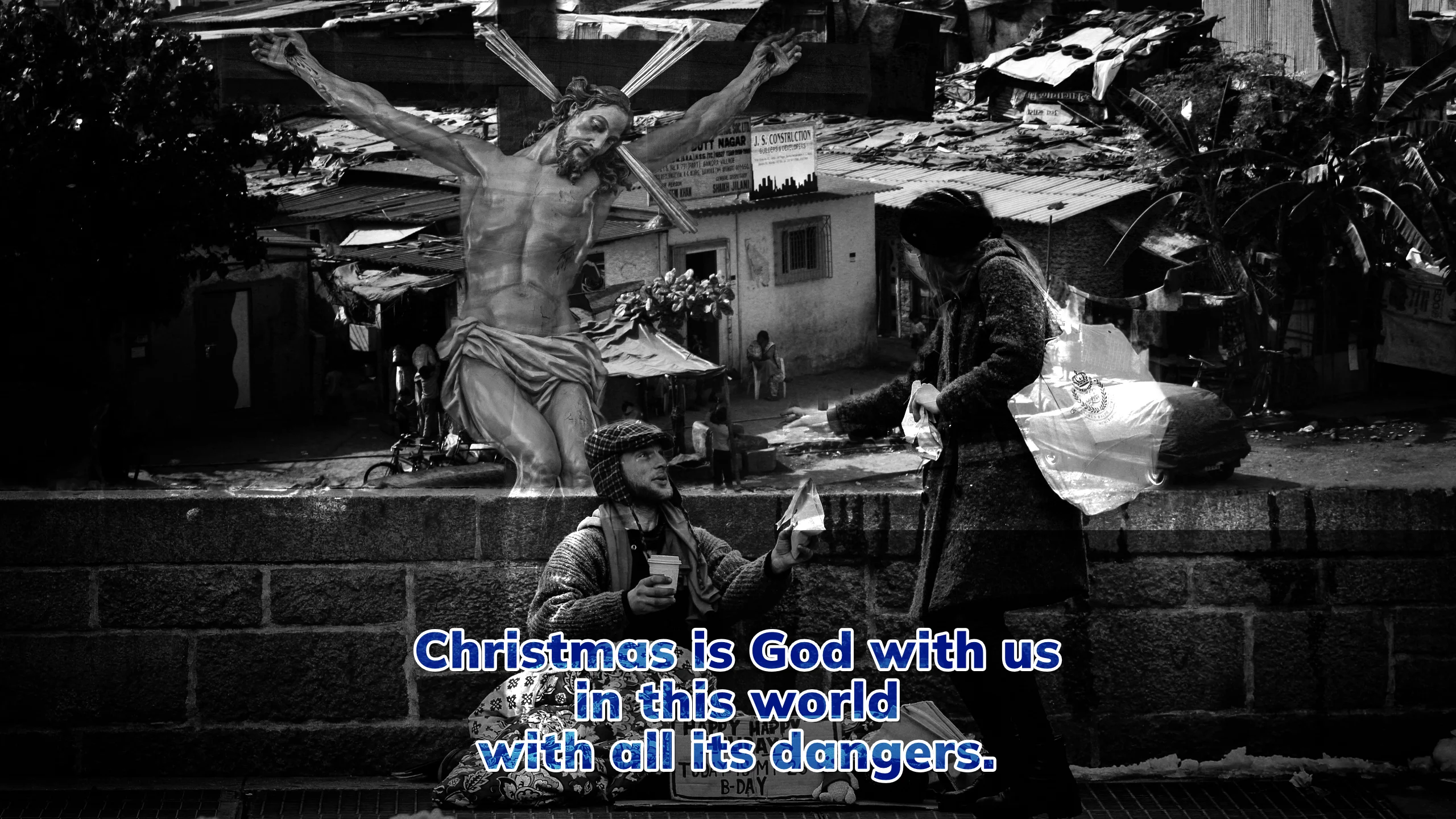
Christmas isn’t the solution to all the problems of the world. Christmas is God with us in this world with all its dangers.
The way to Bethlehem is lit be a star. The way to Jesus is clear. He is the light shining in our darkness. But the way of Jesus, His way in the world, the way that we must go after finding Him, seems impossible and impassable and dark. The story of the wise men is God’s promise to us: that God will provide a way for His Word in the world and a way for us to follow this Word. It will be a way that we have never walked before, that we have never known, that He will make for us.
Amen.
The Rev’d Dr James Lawson, St Mary Magdalene Enfield, 29/12/2024
Sep. 27, 2026
Baptism
May. 17, 2026
Ulrich Zwingli and The Sausage

May. 10, 2026
Seeking Fulfilment?

May. 03, 2026
The way, the truth and the life

Apr. 19, 2026
Jesus, Peter and the Path
Apr. 12, 2026
Doubting Thomas?
Mar. 22, 2026
The Resurrection of Lazarus

Feb. 01, 2026
Simeon the Sentry

Jan. 11, 2026
The Suffering Servant

Jan. 04, 2026
The Epiphany

Dec. 28, 2025
Massacre of the Holy Innocents

Dec. 21, 2025
The King’s Arrival
Talks Archive
Epiphany 2024
They departed to their own country by another way. (Mt 2:12) These are the last words of the Gospel we’ve just heard. In the context of St Matthew’s story of the wise men, they make perfect sense. The wise men are warned to return home by another way to avoid falling into the hands of wicked King Herod.
At the same time these words seem to allude to a strange story found in the Old Testament, in the First Book of Kings (1Kings 13:1-32). The story is set in the aftermath of the rebellion of the Northern Kingdom of Israel against the Kingdom of Judah and the rule of the descendants of King David in Jerusalem. The first King of the Northern Kingdom, Jeroboam is anxious to stop his people from going to worship in Jerusalem so he establishes places for idolatrous worship within his own territory:
The king took counsel, and made two calves of gold. And he said to the people, “You have gone up to Jerusalem long enough. Behold your gods, O Israel, who brought you up out of the land of Egypt.”
And he set one in Bethel, and the other he put in Dan. And this thing became a sin, for the people went to the one at Bethel and to the other as far as Dan. (1 Ki. 12:28-30)
A prophet then comes out of Judah to the altar at Bethel and in the presence of King Jeroboam he foretells the birth of a son named Josiah to the house of David who will restore true worship. The prophet from Judah is instructed by God not to eat bread or drink water in the place to which he has been sent, and not to return home by the way he came.
But this prophet doesn’t follow God’s instructions and he comes to a bad end. A lion is waiting for him on the road and kills him. The lion kills the man but then does not eat him. It seems like this lion (unlike the prophet) only does what God has told him to do and no more.
This story from the Old Testament points forward to the story of the wise men and to Christ: both stories have the promise of the birth of a son to the house of David; both stories feature a king who sets himself up as an enemy to the true worship of God, and forces his subjects to choose between loyalty to himself and fidelity to the true God.
But the main connection between the two stories is that in both stories the witnesses to God’s truth come into a land where that truth is not welcome and they are in danger. The prophet and the wise men are bearers of God’s truth, but the principle witness to the truth is of course Jesus Himself. He is born subject to worldly powers that would even try to kill the truth as soon as it is born. King Herod was furious with the wise men when they didn’t come back to tell him where Jesus was. He orders the Massacre of the Innocents, the execution of all male children of two or under born near Bethlehem.
In the story of the prophet from Judah, the point of the command not to eat, not to drink and return by a different way seems to be, simply, to test his obedience. The instructions make no sense. They only make the prophet’s mission more difficult. But because he doesn’t do exactly what God tells him to do, he dies. Unlike the prophet in the Book of Kings the wise men do obey God. Total obedience to God brings them through the danger and safely back home.
This journey of the wise men back home is as important a part of the story as their journey to Bethlehem. Finding the child Jesus is not the end of the story. Christmas is not a happy ending.
Christmas isn’t the solution to all the problems of the world. Christmas is God with us in this world with all its dangers.
The way to Bethlehem is lit be a star. The way to Jesus is clear. He is the light shining in our darkness. But the way of Jesus, His way in the world, the way that we must go after finding Him, seems impossible and impassable and dark. The story of the wise men is God’s promise to us: that God will provide a way for His Word in the world and a way for us to follow this Word. It will be a way that we have never walked before, that we have never known, that He will make for us.
Amen.
The Rev’d Dr James Lawson, St Mary Magdalene Enfield, 29/12/2024


