
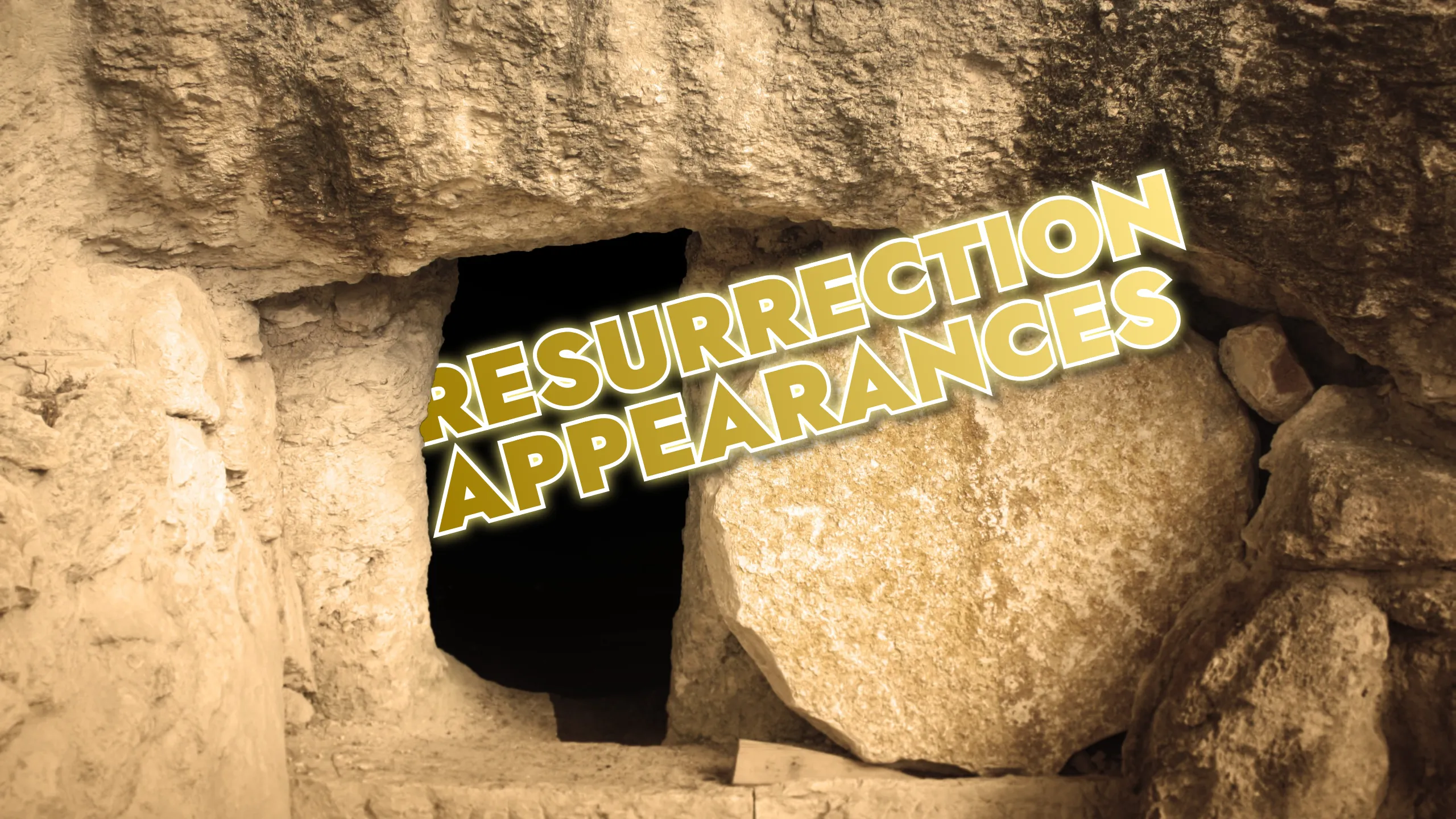
Resurrection Appearances
Read Time: 5 mins

May I speak in the name of God, Father, Son and Holy Spirit. Amen.
Are you sitting comfortably? Then I’ll begin. I’ll begin with a story. This is a version of what we heard from St Paul about the resurrection appearances of Jesus. But this is a rather lovely version of the Life of Our Lord which Charles Dickens wrote privately for his children and was only published long after his death.
“After he appeared to the Eleven disciples, Jesus Christ was seen by five hundred of his followers at once, and He remained with others of them forty days. When Christ was seen no more, the Apostles began to teach the people as He had commanded them. And having chosen a new apostle, named Matthias, to replace the Wicked Judas, they wandered into all countries, telling the people of Christ’s life and death. The religions that were then in the world were false and brutal, and encouraged men to violence. Nothing would silence the Christians, or terrify them though, for they knew that if they remembered the life and lessons of Our Lord Jesus Christ, and tried to act upon them, they may confidently hope [as we may], that God will forgive us our sins and mistakes, and enable us to live and die in Peace.”
Isn’t that lovely? The resurrection appearances are mysteries particularly to ponder and focus on, because it was the resurrection appearances of Jesus which drove the early Christians in their ministry, and powered the spread of the gospel across the Roman world and beyond. Paul in 1 Corinthians doesn’t record the appearance to Mary Magdalene probably because it was not seen as legally admissible as public evidence. It has been a pious speculation too that the first appearance of Jesus may have been to his mother, of which we have no record, but it has a certain plausibility, and there is a period of time between the resurrection and the appearance to Mary Magdalene which is unaccounted for in the gospels. The appearance to Simon Peter, or Symeon Cephas in Aramaic, and to the Eleven remaining disciples is recorded in Luke and John. The appearance to 500 followers of Christ at one time is possibly the event in Galilee on the mountain described at the end of Matthew’s gospel where the Eleven disciples are present and others, some of whom doubted. Only Paul records the appearance to James the Lord’s brother, which he presumably learned about from James himself when Paul visited him in Jerusalem. And it may be that Jesus also appeared to his brothers Joseph, Jude and Simon at the same time. Over a period of 40 days Jesus appeared to them and spoke about the kingdom of God, and some of Jesus’ teaching seems to be contained in John 14-17 about the Ascension and the coming of the Holy Spirit. The final appearance to “all the apostles” that Paul refers to seems to be a reference to the Ascension. All in all, that is quite a body of record. And Paul in his own words gives his own evidence: “I am unfit to be called an apostle, because I persecuted the church of God. But by the grace of God I am what I am.” Those are stunningly beautiful words.
When we celebrate together here on Sunday morning and break bread together, in a different form, but essentially in the same way as the early Christians, we are part of that long line of witness to the resurrection. That is why the Christian service was celebrated on the first day of the Jewish week, at sunrise. This is a resurrection feast with the Risen Christ. Our fellowship with Christ in the Lord’s supper is the fellowship of the kingdom of God, the coming kingdom of God, in the midst of evil and suffering. It is an alternative to the world of wickedness, guilt and death. Our service of worship as the feast of the Risen One, is always at the same time the making present of the One Who Was Crucified. It brings before us the failures and omissions of life. We can be painfully reminded of this today, which has been designated ‘Racial Justice Sunday’ by the Church.
The powers of division are disarmed and hope is reborn but only truly when we live in fellowship with the Risen Christ.
When we live out the resurrection life and through Jesus Christ overcome the evil and divisions of this world and of ourselves. To use the words of Paul, “by the grace of God we are what we are”. Look around to the people in front, to the side, and behind you. And give thanks that by the grace of God that person is who they are.
May we be granted the grace to live out the resurrection life that conquers all evil and divisions, through the Risen Christ.
Amen.
The Rev’d Michael Aylmer, St Mary Magdalene Enfield, 09/02/2025
Sep. 27, 2026
Baptism
May. 17, 2026
Ulrich Zwingli and The Sausage

May. 10, 2026
Seeking Fulfilment?

May. 03, 2026
The way, the truth and the life

Apr. 19, 2026
Jesus, Peter and the Path
Apr. 12, 2026
Doubting Thomas?
Mar. 22, 2026
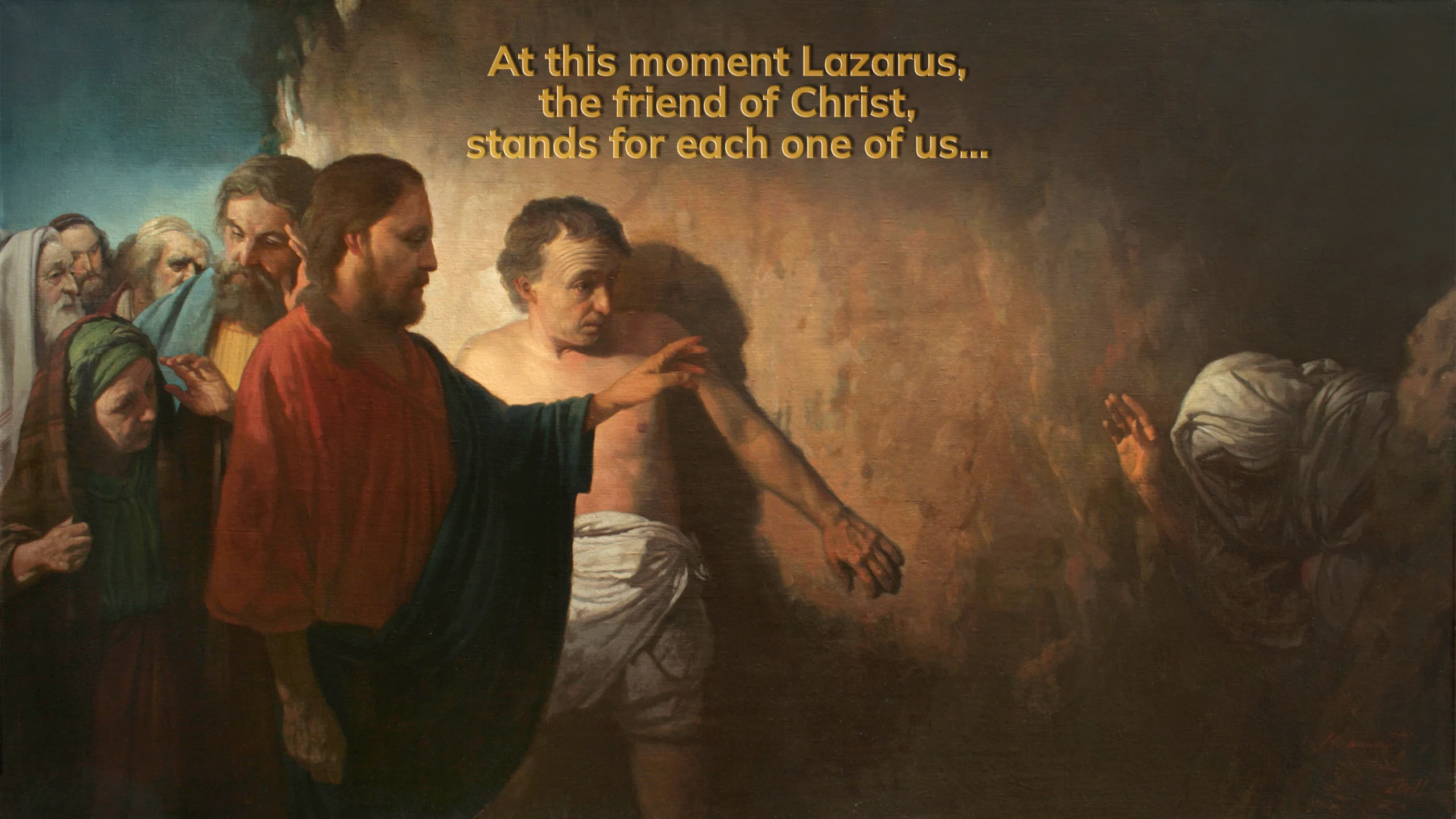
The Resurrection of Lazarus

Feb. 01, 2026
Simeon the Sentry

Jan. 11, 2026
The Suffering Servant

Jan. 04, 2026
The Epiphany

Dec. 28, 2025
Massacre of the Holy Innocents

Dec. 21, 2025
The King’s Arrival
Talks Archive
May I speak in the name of God, Father, Son and Holy Spirit. Amen.
Are you sitting comfortably? Then I’ll begin. I’ll begin with a story. This is a version of what we heard from St Paul about the resurrection appearances of Jesus. But this is a rather lovely version of the Life of Our Lord which Charles Dickens wrote privately for his children and was only published long after his death.
“After he appeared to the Eleven disciples, Jesus Christ was seen by five hundred of his followers at once, and He remained with others of them forty days. When Christ was seen no more, the Apostles began to teach the people as He had commanded them. And having chosen a new apostle, named Matthias, to replace the Wicked Judas, they wandered into all countries, telling the people of Christ’s life and death. The religions that were then in the world were false and brutal, and encouraged men to violence. Nothing would silence the Christians, or terrify them though, for they knew that if they remembered the life and lessons of Our Lord Jesus Christ, and tried to act upon them, they may confidently hope [as we may], that God will forgive us our sins and mistakes, and enable us to live and die in Peace.”
Isn’t that lovely? The resurrection appearances are mysteries particularly to ponder and focus on, because it was the resurrection appearances of Jesus which drove the early Christians in their ministry, and powered the spread of the gospel across the Roman world and beyond. Paul in 1 Corinthians doesn’t record the appearance to Mary Magdalene probably because it was not seen as legally admissible as public evidence. It has been a pious speculation too that the first appearance of Jesus may have been to his mother, of which we have no record, but it has a certain plausibility, and there is a period of time between the resurrection and the appearance to Mary Magdalene which is unaccounted for in the gospels. The appearance to Simon Peter, or Symeon Cephas in Aramaic, and to the Eleven remaining disciples is recorded in Luke and John. The appearance to 500 followers of Christ at one time is possibly the event in Galilee on the mountain described at the end of Matthew’s gospel where the Eleven disciples are present and others, some of whom doubted. Only Paul records the appearance to James the Lord’s brother, which he presumably learned about from James himself when Paul visited him in Jerusalem. And it may be that Jesus also appeared to his brothers Joseph, Jude and Simon at the same time. Over a period of 40 days Jesus appeared to them and spoke about the kingdom of God, and some of Jesus’ teaching seems to be contained in John 14-17 about the Ascension and the coming of the Holy Spirit. The final appearance to “all the apostles” that Paul refers to seems to be a reference to the Ascension. All in all, that is quite a body of record. And Paul in his own words gives his own evidence: “I am unfit to be called an apostle, because I persecuted the church of God. But by the grace of God I am what I am.” Those are stunningly beautiful words.
When we celebrate together here on Sunday morning and break bread together, in a different form, but essentially in the same way as the early Christians, we are part of that long line of witness to the resurrection. That is why the Christian service was celebrated on the first day of the Jewish week, at sunrise. This is a resurrection feast with the Risen Christ. Our fellowship with Christ in the Lord’s supper is the fellowship of the kingdom of God, the coming kingdom of God, in the midst of evil and suffering. It is an alternative to the world of wickedness, guilt and death. Our service of worship as the feast of the Risen One, is always at the same time the making present of the One Who Was Crucified. It brings before us the failures and omissions of life. We can be painfully reminded of this today, which has been designated ‘Racial Justice Sunday’ by the Church.
The powers of division are disarmed and hope is reborn but only truly when we live in fellowship with the Risen Christ.
When we live out the resurrection life and through Jesus Christ overcome the evil and divisions of this world and of ourselves. To use the words of Paul, “by the grace of God we are what we are”. Look around to the people in front, to the side, and behind you. And give thanks that by the grace of God that person is who they are.
May we be granted the grace to live out the resurrection life that conquers all evil and divisions, through the Risen Christ.
Amen.
The Rev’d Michael Aylmer, St Mary Magdalene Enfield, 09/02/2025


