

We want to see Jesus!
Read Time: 6 mins

Trinity 2 2025 Luke 9. 51-end
Some Greeks were in Jerusalem for the Passover. They met a disciple of Jesus called Philip. They said to him, “We want to see Jesus!”
Do you want to see Jesus? Is that why you’re here? Are you hungry for God? One of the great saints of the Church of England once wrote a letter to the Archbishop of Canterbury. She reminded him that, “God is the interesting thing about religion, and people are hungry for God. But only a priest whose life is soaked in prayer, sacrifice, and love can, by his own spirit of adoring worship, help us to apprehend Him.” That’s the kind of priest I want to be for you. That’s the kind of priest that I pray Michael will be, after his ordination to the priesthood a week ago.
And maybe you know what it feels like to be hungry for God. Maybe your heart longs for an encounter with Jesus. But there’s something else that you might recognise too. We long to encounter Jesus. But we want to meet him on our own terms. We want to meet him on our own turf. It’s hard for us to open our hearts to Jesus. It’s hard for us to allow Him to challenge us with the Word of the Lord each Sunday. It’s hard for us to allow Him to take us where He is leading us. We want to stay in control. We want to set the conditions. But Jesus invites us deeper.
Jesus knew His Father’s will. He prayed whole nights to His Father in the darkness and silence of the desert. And once He knew His Father’s will, there was no hesitation on His part. He was resolute. He was determined – to go up to Jerusalem. He knew what was waiting for Him. It was the Cross. But His determination was unfailing. St. Teresa of Avila speaks of the importance of having a “determined determination” like that. We should never stop praying. We should never stop trying to be real Christians. The saints are those, “in whom God’s victory over sin has been revealed.” They do not excuse or shrug off their smaller sins. The do not accept that their weakness and mediocrity and worldliness can set a limit to the power of Almighty God. And so the saints take our excuses away from us. It is possible to be a real Christian all the time. God is more powerful than our sinful habits. But how “determinedly determined” are we to become saints? How “determinedly determined” are we to fulfill God’s will in our life no matter what?
In the Gospel the Samaritans would not welcome Jesus because His destination was Jerusalem. Their culture had taught them to turn away from Him. Does our culture teach us to turn away from Jesus, just like the culture of the Samaritans? Nobody could say that England really has a Christian culture any more, especially after the votes in the House of Commons last week, to legalise infanticide and euthanasia. If you haven’t noticed, there are cultural tensions now between being English and being Christian, just as there were between being Samaritan and being a Jew like Jesus. I was outside the House of Commons when the vote about assisted suicide took place. One group was shouting, “Yes to choice!” Another group was shouting “No to death!”
And if our culture gives us reasons to turn away from the Lord we have our own personal reasons too. We know where He is going. He is going to the Cross. And that’s not where we want to go. But we forget what is beyond the Cross: Resurrection. Crucifixion/ Resurrection is always the pattern for Christians. So Jesus promises: … whosoever will save his life shall lose it: and whosoever will lose his life for my sake shall find it.
James and John, together with the rest of the apostles, and indeed one might add the leaders of Israel, Iran and the USA today, had still not come to see things as God sees them. They failed to understand that God does not work in human hearts, or in the world, by force. The only force he uses is that of love. The Samaritans were not to be converted through a show of brute power, by fire called down from heaven to destroy them. Jesus knew that the only way to transform their hearts lay precisely in continuing down the road to their redemption, to the point of drinking the chalice that was His to drink. Let us join Our Lord on His path toward Jerusalem. What that may mean is informing our consciences about what it now means to be a Christian in a post-Christian or anti-Christian culture. It has always meant allowing God to transform our hearts and teach us to love to the ultimate consequences, just as He did.
Let us pray that He may teach us how far to follow Him, and that He may give us the “determined determination” to show the world His victory over sin in our lives. Lord, help us to practice fortitude when we are tested, and to keep our eyes set on you no matter what. As the old hymn puts it:
“Come, Christians, follow where the Master trod,
our King victorious, Christ the Son of God.
Lift high the cross, the love of Christ proclaim
till all the world adore his sacred name.”
Amen.
The Rev’d Dr James Lawson,
St Mary Magdalene, Enfield, 29/06/2025
Sep. 27, 2026
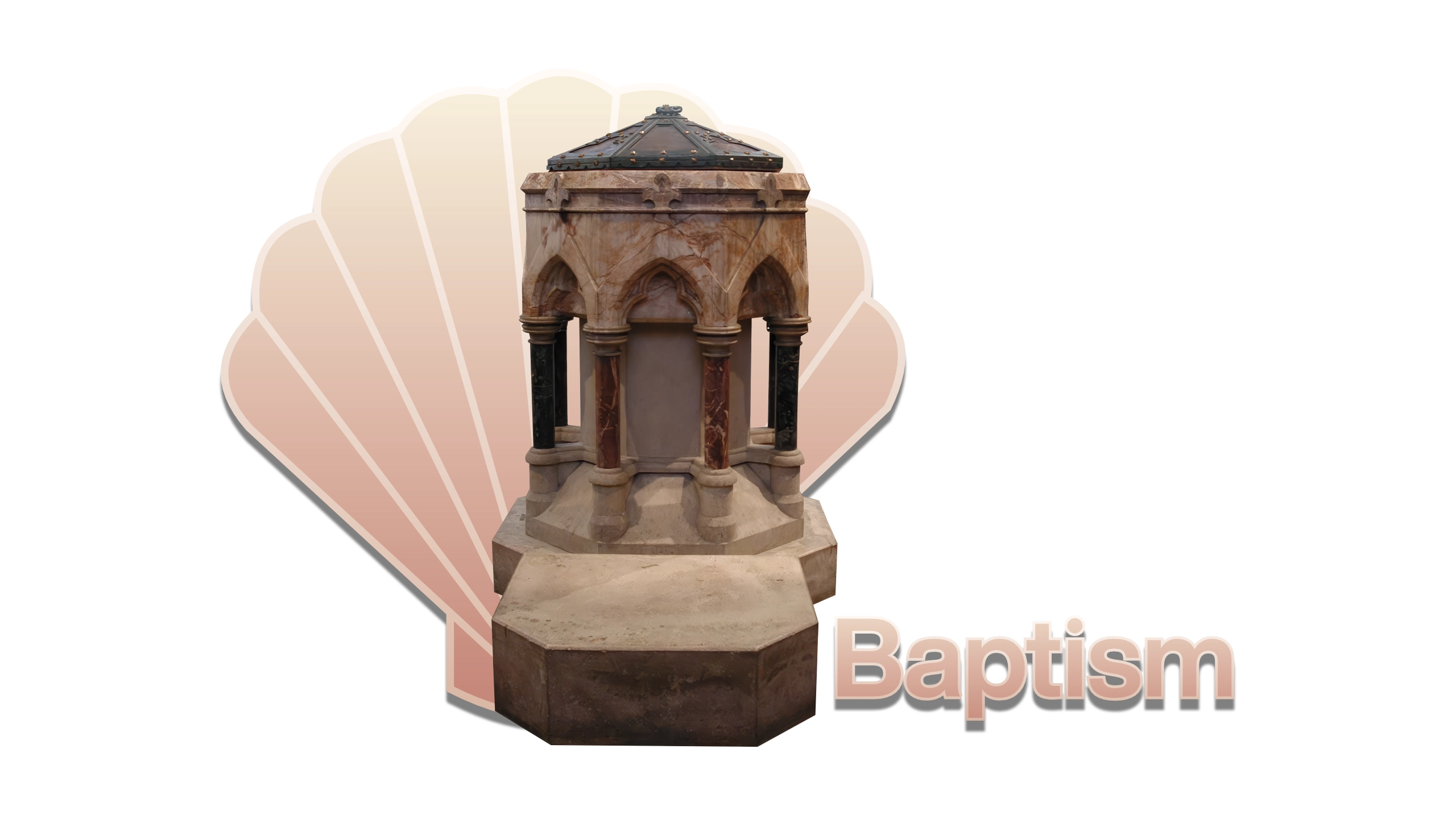
Baptism
May. 17, 2026
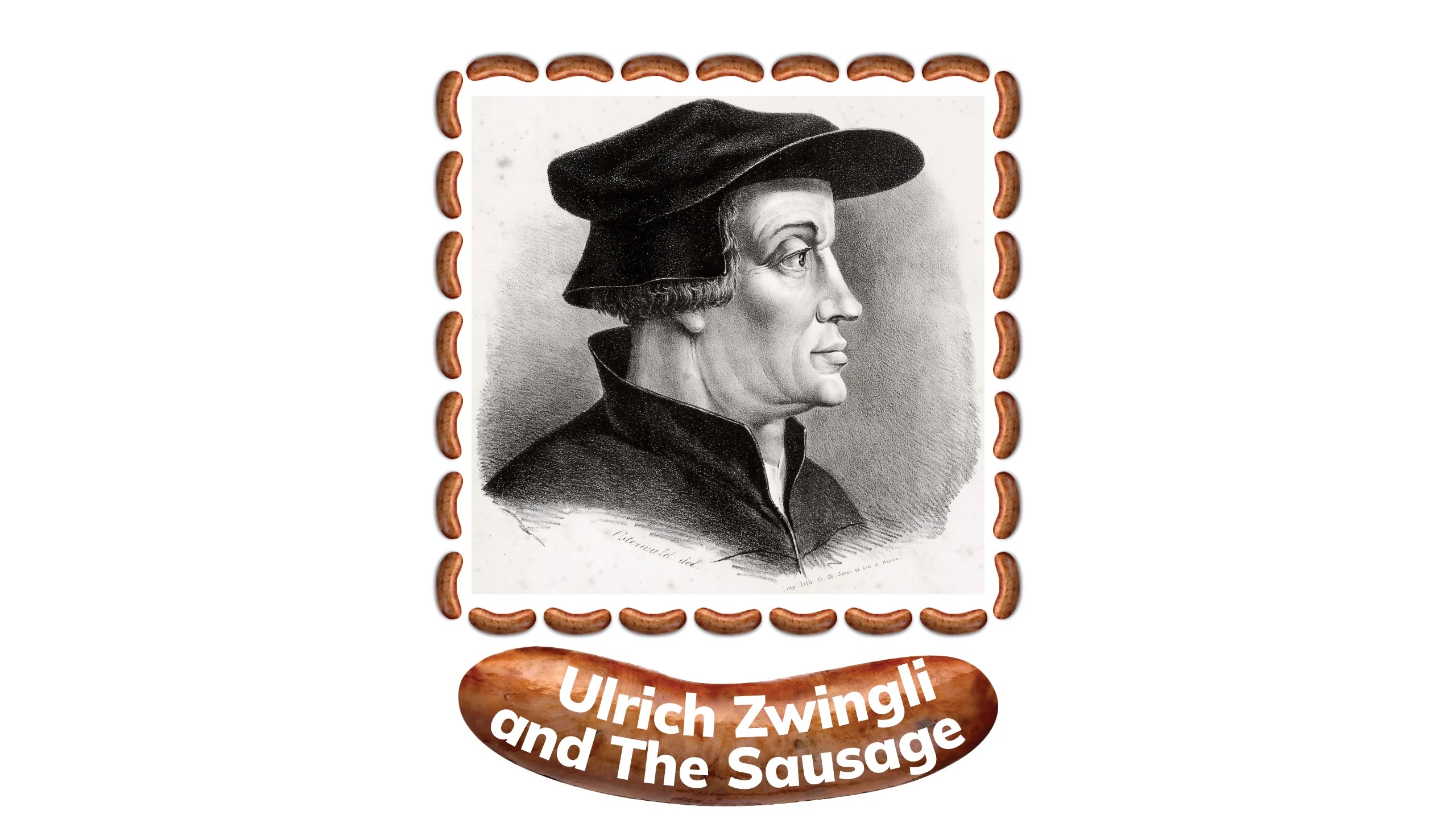
Ulrich Zwingli and The Sausage

May. 10, 2026
Seeking Fulfilment?

May. 03, 2026
The way, the truth and the life

Apr. 19, 2026
Jesus, Peter and the Path
Apr. 12, 2026
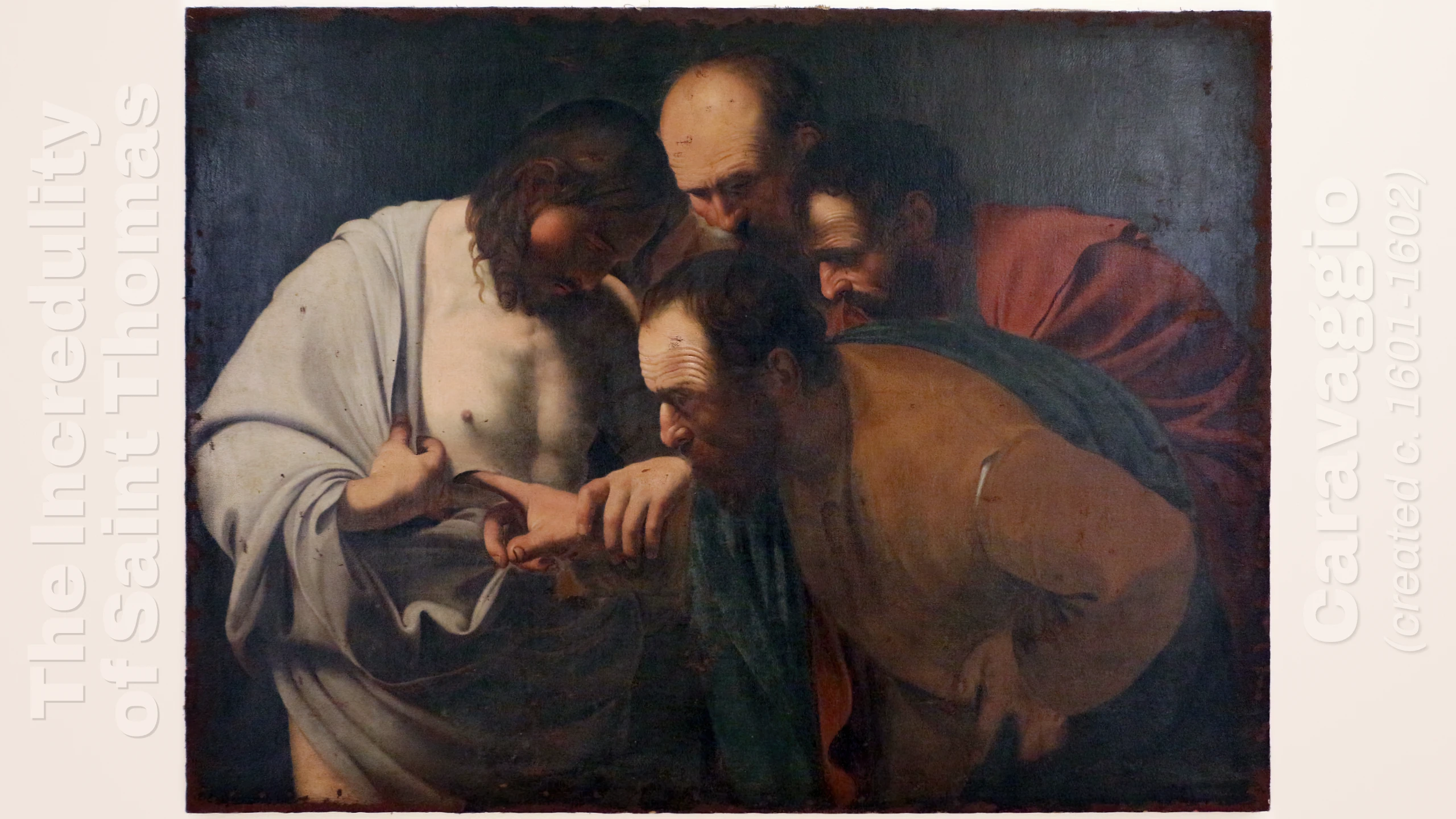
Doubting Thomas?
Mar. 22, 2026
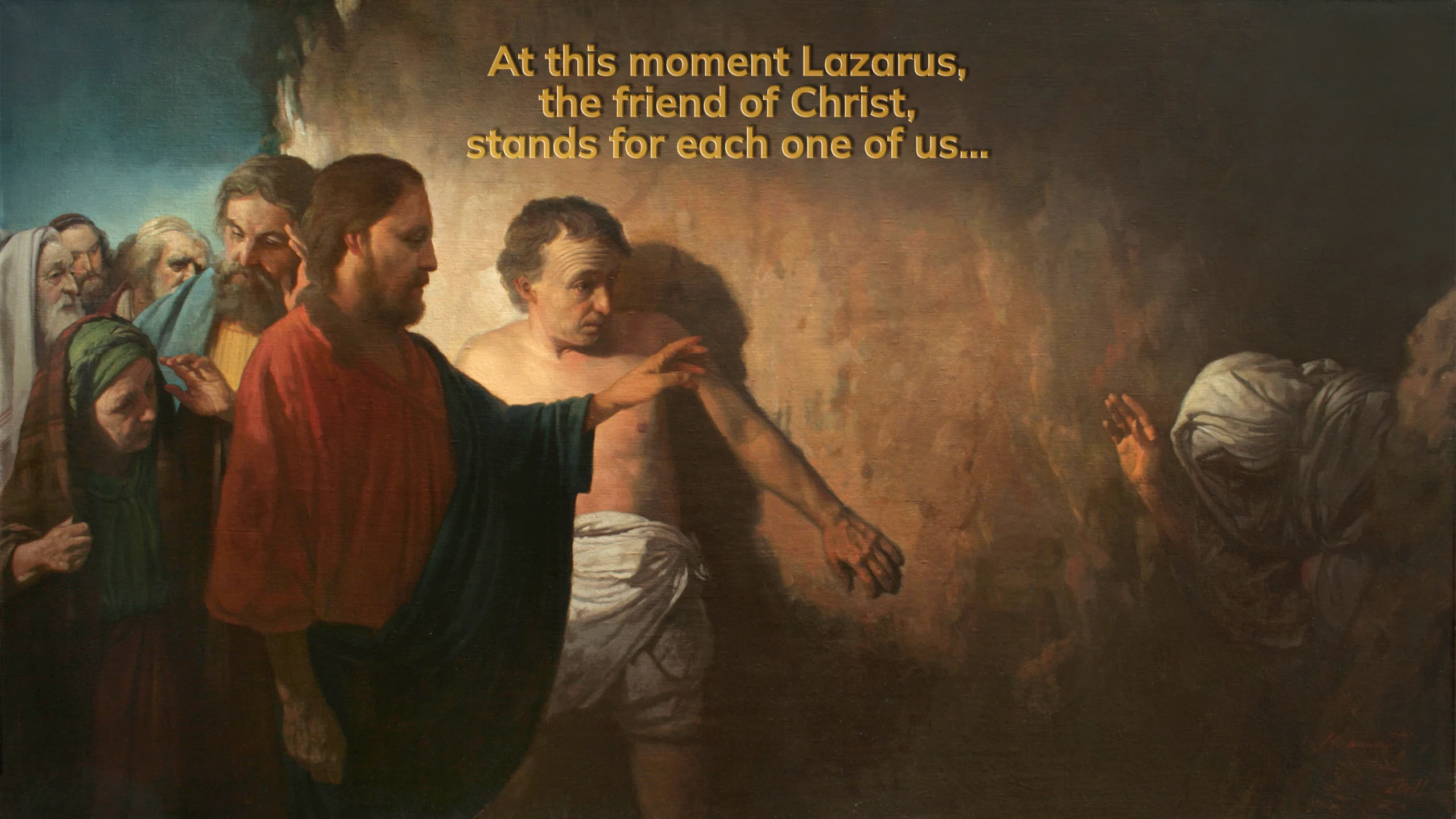
The Resurrection of Lazarus

Feb. 01, 2026
Simeon the Sentry

Jan. 11, 2026
The Suffering Servant

Jan. 04, 2026
The Epiphany

Dec. 28, 2025
Massacre of the Holy Innocents

Dec. 21, 2025
The King’s Arrival
Talks Archive
Trinity 2 2025 Luke 9. 51-end
Some Greeks were in Jerusalem for the Passover. They met a disciple of Jesus called Philip. They said to him, “We want to see Jesus!”
Do you want to see Jesus? Is that why you’re here? Are you hungry for God? One of the great saints of the Church of England once wrote a letter to the Archbishop of Canterbury. She reminded him that, “God is the interesting thing about religion, and people are hungry for God. But only a priest whose life is soaked in prayer, sacrifice, and love can, by his own spirit of adoring worship, help us to apprehend Him.” That’s the kind of priest I want to be for you. That’s the kind of priest that I pray Michael will be, after his ordination to the priesthood a week ago.
And maybe you know what it feels like to be hungry for God. Maybe your heart longs for an encounter with Jesus. But there’s something else that you might recognise too. We long to encounter Jesus. But we want to meet him on our own terms. We want to meet him on our own turf. It’s hard for us to open our hearts to Jesus. It’s hard for us to allow Him to challenge us with the Word of the Lord each Sunday. It’s hard for us to allow Him to take us where He is leading us. We want to stay in control. We want to set the conditions. But Jesus invites us deeper.
Jesus knew His Father’s will. He prayed whole nights to His Father in the darkness and silence of the desert. And once He knew His Father’s will, there was no hesitation on His part. He was resolute. He was determined – to go up to Jerusalem. He knew what was waiting for Him. It was the Cross. But His determination was unfailing. St. Teresa of Avila speaks of the importance of having a “determined determination” like that. We should never stop praying. We should never stop trying to be real Christians. The saints are those, “in whom God’s victory over sin has been revealed.” They do not excuse or shrug off their smaller sins. The do not accept that their weakness and mediocrity and worldliness can set a limit to the power of Almighty God. And so the saints take our excuses away from us. It is possible to be a real Christian all the time. God is more powerful than our sinful habits. But how “determinedly determined” are we to become saints? How “determinedly determined” are we to fulfill God’s will in our life no matter what?
In the Gospel the Samaritans would not welcome Jesus because His destination was Jerusalem. Their culture had taught them to turn away from Him. Does our culture teach us to turn away from Jesus, just like the culture of the Samaritans? Nobody could say that England really has a Christian culture any more, especially after the votes in the House of Commons last week, to legalise infanticide and euthanasia. If you haven’t noticed, there are cultural tensions now between being English and being Christian, just as there were between being Samaritan and being a Jew like Jesus. I was outside the House of Commons when the vote about assisted suicide took place. One group was shouting, “Yes to choice!” Another group was shouting “No to death!”
And if our culture gives us reasons to turn away from the Lord we have our own personal reasons too. We know where He is going. He is going to the Cross. And that’s not where we want to go. But we forget what is beyond the Cross: Resurrection. Crucifixion/ Resurrection is always the pattern for Christians. So Jesus promises: … whosoever will save his life shall lose it: and whosoever will lose his life for my sake shall find it.
James and John, together with the rest of the apostles, and indeed one might add the leaders of Israel, Iran and the USA today, had still not come to see things as God sees them. They failed to understand that God does not work in human hearts, or in the world, by force. The only force he uses is that of love. The Samaritans were not to be converted through a show of brute power, by fire called down from heaven to destroy them. Jesus knew that the only way to transform their hearts lay precisely in continuing down the road to their redemption, to the point of drinking the chalice that was His to drink. Let us join Our Lord on His path toward Jerusalem. What that may mean is informing our consciences about what it now means to be a Christian in a post-Christian or anti-Christian culture. It has always meant allowing God to transform our hearts and teach us to love to the ultimate consequences, just as He did.
Let us pray that He may teach us how far to follow Him, and that He may give us the “determined determination” to show the world His victory over sin in our lives. Lord, help us to practice fortitude when we are tested, and to keep our eyes set on you no matter what. As the old hymn puts it:
“Come, Christians, follow where the Master trod,
our King victorious, Christ the Son of God.
Lift high the cross, the love of Christ proclaim
till all the world adore his sacred name.”
Amen.
The Rev’d Dr James Lawson,
St Mary Magdalene, Enfield, 29/06/2025


