

The First Sunday of Advent
Read Time: 7 mins
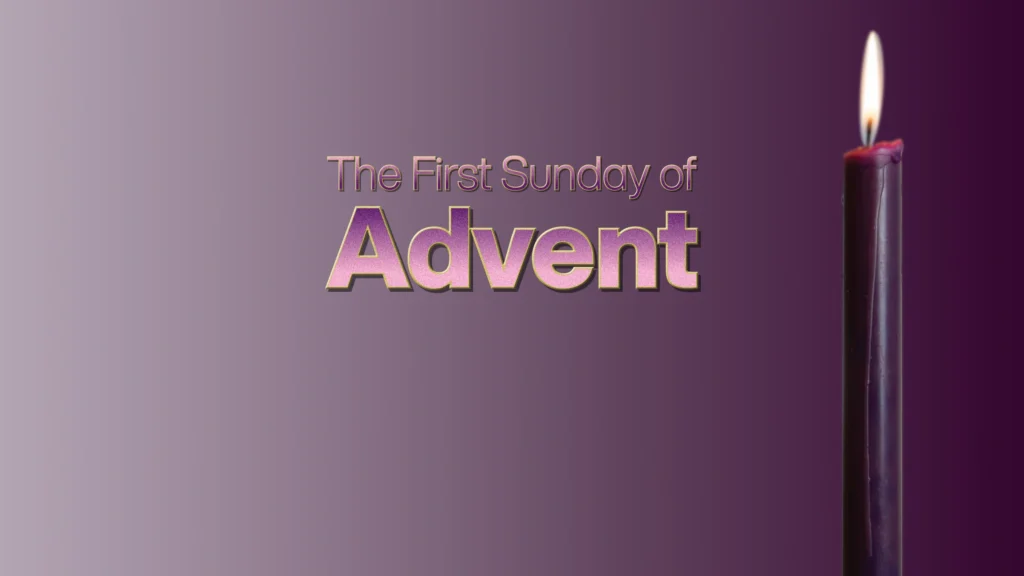
Advent Sunday 2024
A sermon is a strange thing. A sermon seems a bit like a dream. Some dreams you forget almost as soon as you awake. And some dreams you remember for the rest of your life. It may be that you’ll have forgotten what I’ll say before I’ve even finished saying it. But the risk is that you won’t.
I’ve heard sermons that I can still remember decades later – but not always for the right reasons. I remember a sermon where the preacher told us that the only one to see her with no clothes on nowadays was her cat, which was way too much information for me. And I still remember a sermon on our Gospel today in which the preacher just gave up after about five minutes. He admitted that he didn’t know what to say about this text: because he didn’t recognize the Jesus who speaks these words, he didn’t recognize the apocalyptic Jesus, the Jesus Who speaks of the end of the world, he didn’t recognize the Jesus of Advent, Who on the last day “will come to judge the living and the dead.”
I learnt something from that sermon. It wasn’t what the preacher had intended me to learn. What I learnt was that we are already judged in Advent by the texts we hear. Our understandings of Jesus, and of Christianity are judged. And perhaps they don’t measure up to the Word of God.
Its been said that one of the most dispiriting things about the era of Archbishop Justin Welby that’s now coming to an end is the prominence it gave to the Church being normal, everyday, and relatable. Do you remember how in Covid times the Archbishop was filmed celebrating the Eucharist at his kitchen table rather than his cathedral? Like a trendy teacher who’s desperate to be liked, the Church has been encouraged to think about its relevance— and that achingly dull advice that has replaced the glorious other-worldly mysticism of saints and angels, the Book of Common Prayer and Choral Evensong, with crazy golf in the nave of cathedrals. Jesus has been transformed from the Lord of Heaven and Earth, and the Judge of All, to my best mate, with all the seriousness of Gary Lineker in an advert for Walker’s Crisps.
Next year marks the 1,700th anniversary of the Council of Nicaea, where the Church proclaimed Jesus to be both fully human and fully divine. Christianity is by theological definition a tension between the immanent and the transcendent. In recent decades, perhaps the pendulum has swung too much in favour of the immanent — Jesus the social activist, Jesus the friendly listening ear, Jesus the comforting presence. Jesus is all that but He is so much more than that. If our understanding of Jesus and of Christianity is to measure up to the Word of God that we hear in the season of Advent I think that we need to reclaim the difficult mysterious Jesus, the otherness of Jesus, the cosmic Jesus. Our Christianity needs to get just a little bit more weird and, if you’ll pardon the expression, a little bit more badass. For the Church exists to address the great mysteries of life — death, life, forgiveness, fear, passion, hope. The season of Advent is a reminder that easy listening versions of these don’t make for a properly serious church.
In Advent we can discover the difference between our understanding of Christ and the Church and the reality. We can also find out how hard it can be to be a real Christian in England today. Advent is a season of waiting. The word Advent comes from the Latin adventus, which means coming. We are waiting for what we know is coming. Advent represents not just the four weeks before Christmas but also the thousands of years we’ve been waiting for Christ’s return. Advent is a penitential season of fasting and prayer like Lent. Advent can allow us to intensify our preparation, not just for the Feast of Christmas, but also for Christ’s return to be our judge. So Advent calendars were originally designed to be part of a spiritual discipline that was designed to help us clear the clutter from our lives. Uncovering the little windows was a way to capture the imagination of children, with symbols and stories that prepare us for Christmas. But now who keeps Advent with fasting and prayer and stillness and longing? Who waits for Christmas? Even Advent calendars have been secularized. The Waitrose down the road doesn’t sell Christian Advent calendars any more as far as I could see but it does offer what it calls a choice of “chocolate classics, and a luxurious gin calendar for grown-ups.”
Advent for a Christian is primarily a time for spiritual renewal, not for shopping and busyness and what Christians used to call gluttony. As St Augustine put it:
“Now is the time of mercy, for us to correct ourselves. The time for judgment has not yet come. There is no need to despair. Because of our human, pardonable, and more trivial sins, God has established in the Church set times for requesting mercy.”
And as the days grow shorter we take the opportunity of noticing that so do the number of days left to us; the four last things – death, judgement, heaven and hell – give us a fresh focus for what really ought to matter in our lives. And as we get ready to prepare for a fresh apprehension of the Incarnation some element of de-cluttering as well as shopping needs to take place if we are to be properly serious Christians.
In the struggle against the world, the flesh and the devil that begins at our baptism, we will always find something of each creeping in to corrupt our understanding and our discipleship. For it’s not only houses that need spring cleaning, but also, in this season of Advent, our minds and souls. Advent is an invitation to purify our minds and souls of conformity to the world and so to come out of Babylon. As it is written in the Book of Revelation (18.4): And I heard another voice from heaven, saying, Come out of her, my people, that ye be not partakers of her sins, and that ye receive not of her plagues.
Amen.
The Rev’d Dr James Lawson, St Mary Magdalene Enfield, 01/12/2024
Sep. 27, 2026
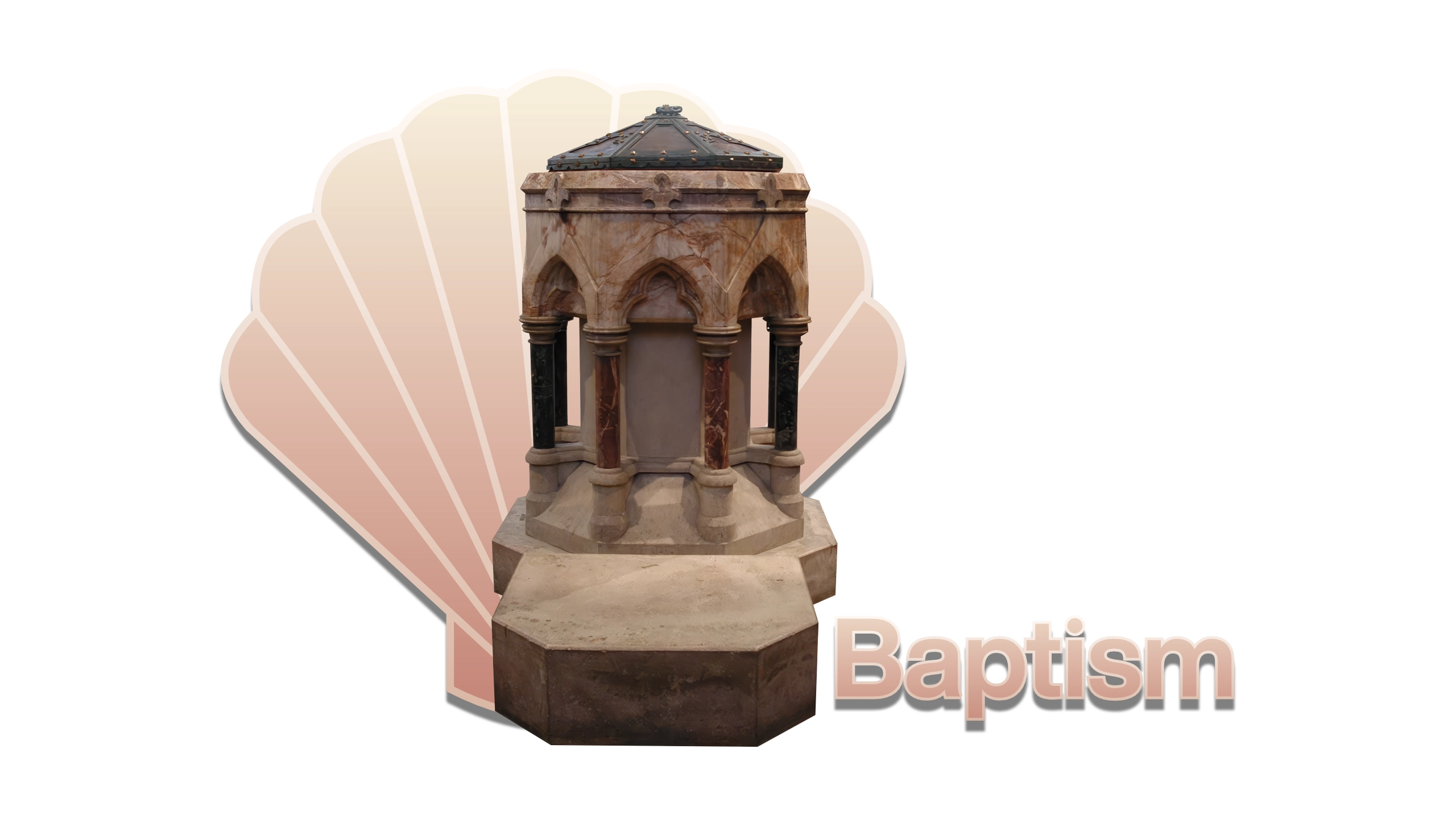
Baptism

May. 17, 2026
Ulrich Zwingli and The Sausage

May. 10, 2026
Seeking Fulfilment?

May. 03, 2026
The way, the truth and the life

Apr. 19, 2026
Jesus, Peter and the Path
Apr. 12, 2026
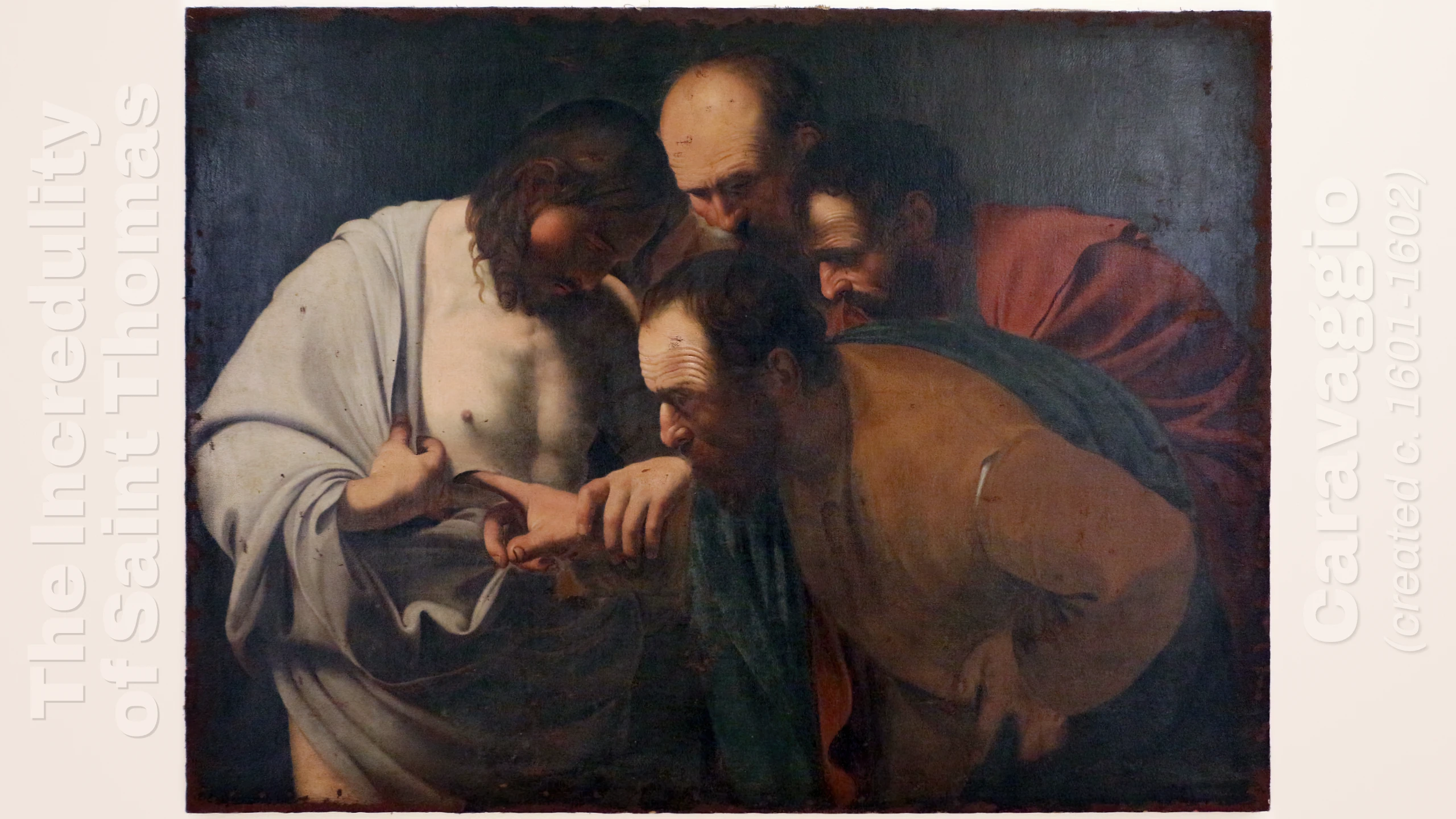
Doubting Thomas?
Mar. 22, 2026
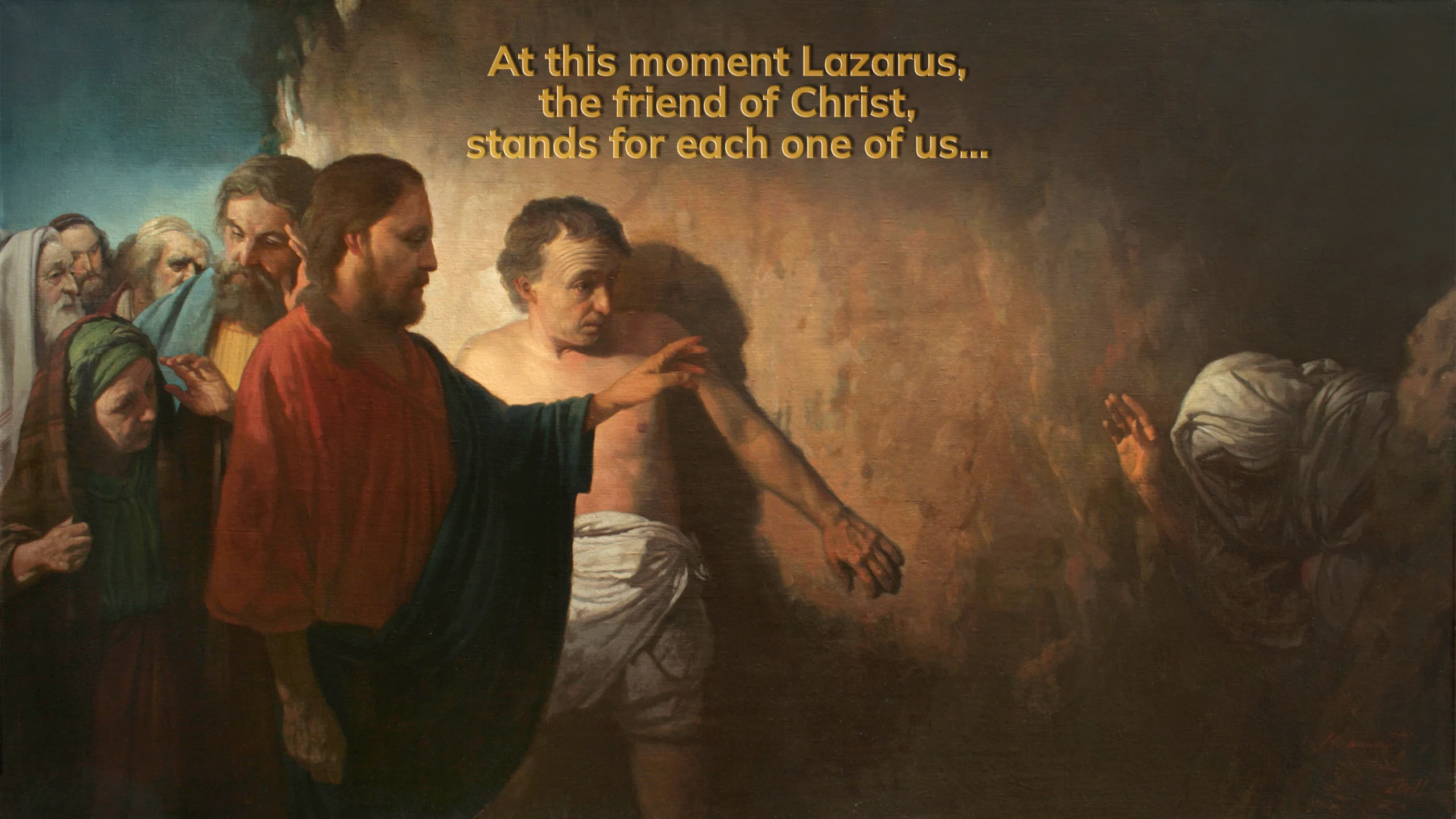
The Resurrection of Lazarus

Feb. 01, 2026
Simeon the Sentry

Jan. 11, 2026
The Suffering Servant

Jan. 04, 2026
The Epiphany

Dec. 28, 2025
Massacre of the Holy Innocents

Dec. 21, 2025
The King’s Arrival
Talks Archive
Advent Sunday 2024
A sermon is a strange thing. A sermon seems a bit like a dream. Some dreams you forget almost as soon as you awake. And some dreams you remember for the rest of your life. It may be that you’ll have forgotten what I’ll say before I’ve even finished saying it. But the risk is that you won’t.
I’ve heard sermons that I can still remember decades later – but not always for the right reasons. I remember a sermon where the preacher told us that the only one to see her with no clothes on nowadays was her cat, which was way too much information for me. And I still remember a sermon on our Gospel today in which the preacher just gave up after about five minutes. He admitted that he didn’t know what to say about this text: because he didn’t recognize the Jesus who speaks these words, he didn’t recognize the apocalyptic Jesus, the Jesus Who speaks of the end of the world, he didn’t recognize the Jesus of Advent, Who on the last day “will come to judge the living and the dead.”
I learnt something from that sermon. It wasn’t what the preacher had intended me to learn. What I learnt was that we are already judged in Advent by the texts we hear. Our understandings of Jesus, and of Christianity are judged. And perhaps they don’t measure up to the Word of God.
Its been said that one of the most dispiriting things about the era of Archbishop Justin Welby that’s now coming to an end is the prominence it gave to the Church being normal, everyday, and relatable. Do you remember how in Covid times the Archbishop was filmed celebrating the Eucharist at his kitchen table rather than his cathedral? Like a trendy teacher who’s desperate to be liked, the Church has been encouraged to think about its relevance— and that achingly dull advice that has replaced the glorious other-worldly mysticism of saints and angels, the Book of Common Prayer and Choral Evensong, with crazy golf in the nave of cathedrals. Jesus has been transformed from the Lord of Heaven and Earth, and the Judge of All, to my best mate, with all the seriousness of Gary Lineker in an advert for Walker’s Crisps.
Next year marks the 1,700th anniversary of the Council of Nicaea, where the Church proclaimed Jesus to be both fully human and fully divine. Christianity is by theological definition a tension between the immanent and the transcendent. In recent decades, perhaps the pendulum has swung too much in favour of the immanent — Jesus the social activist, Jesus the friendly listening ear, Jesus the comforting presence. Jesus is all that but He is so much more than that. If our understanding of Jesus and of Christianity is to measure up to the Word of God that we hear in the season of Advent I think that we need to reclaim the difficult mysterious Jesus, the otherness of Jesus, the cosmic Jesus. Our Christianity needs to get just a little bit more weird and, if you’ll pardon the expression, a little bit more badass. For the Church exists to address the great mysteries of life — death, life, forgiveness, fear, passion, hope. The season of Advent is a reminder that easy listening versions of these don’t make for a properly serious church.
In Advent we can discover the difference between our understanding of Christ and the Church and the reality. We can also find out how hard it can be to be a real Christian in England today. Advent is a season of waiting. The word Advent comes from the Latin adventus, which means coming. We are waiting for what we know is coming. Advent represents not just the four weeks before Christmas but also the thousands of years we’ve been waiting for Christ’s return. Advent is a penitential season of fasting and prayer like Lent. Advent can allow us to intensify our preparation, not just for the Feast of Christmas, but also for Christ’s return to be our judge. So Advent calendars were originally designed to be part of a spiritual discipline that was designed to help us clear the clutter from our lives. Uncovering the little windows was a way to capture the imagination of children, with symbols and stories that prepare us for Christmas. But now who keeps Advent with fasting and prayer and stillness and longing? Who waits for Christmas? Even Advent calendars have been secularized. The Waitrose down the road doesn’t sell Christian Advent calendars any more as far as I could see but it does offer what it calls a choice of “chocolate classics, and a luxurious gin calendar for grown-ups.”
Advent for a Christian is primarily a time for spiritual renewal, not for shopping and busyness and what Christians used to call gluttony. As St Augustine put it:
“Now is the time of mercy, for us to correct ourselves. The time for judgment has not yet come. There is no need to despair. Because of our human, pardonable, and more trivial sins, God has established in the Church set times for requesting mercy.”
And as the days grow shorter we take the opportunity of noticing that so do the number of days left to us; the four last things – death, judgement, heaven and hell – give us a fresh focus for what really ought to matter in our lives. And as we get ready to prepare for a fresh apprehension of the Incarnation some element of de-cluttering as well as shopping needs to take place if we are to be properly serious Christians.
In the struggle against the world, the flesh and the devil that begins at our baptism, we will always find something of each creeping in to corrupt our understanding and our discipleship. For it’s not only houses that need spring cleaning, but also, in this season of Advent, our minds and souls. Advent is an invitation to purify our minds and souls of conformity to the world and so to come out of Babylon. As it is written in the Book of Revelation (18.4): And I heard another voice from heaven, saying, Come out of her, my people, that ye be not partakers of her sins, and that ye receive not of her plagues.
Amen.
The Rev’d Dr James Lawson, St Mary Magdalene Enfield, 01/12/2024


